Introduction
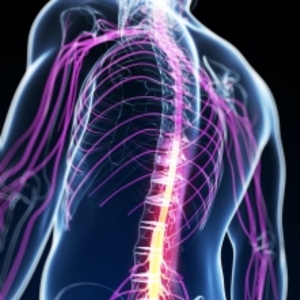
Neuromuscular disorders are a group of neurological conditions that affect the nerves controlling voluntary muscles and the communication between nerves and muscles.
These disorders can lead to muscle weakness, muscle wasting, movement difficulties, balance problems, and other neurological complications that may significantly impact daily activities and quality of life.
At CANES Cardio & Neuro Clinic, Kondapur, advanced neuromuscular disorder evaluation and management are provided under the expertise of Dr. Soumya Arapreddy, Consultant Neurologist, using modern neurological assessment methods and personalized treatment approaches.
The clinic focuses on accurate diagnosis, symptom management, rehabilitation support, functional independence, and long-term neurological wellness for patients with nerve and muscle disorders.
1. What Are Neuromuscular Disorders?
Neuromuscular disorders affect the structures responsible for muscle movement and coordination, including:
- Peripheral nerves
- Muscles
- Neuromuscular junctions
- Motor neurons
- Spinal nerves
These conditions interfere with communication between nerves and muscles, leading to weakness, fatigue, muscle wasting, coordination difficulties, and reduced physical function.
Neuromuscular disorders may be inherited, autoimmune, inflammatory, infectious, metabolic, or degenerative in nature.
Patients from Kondapur, Gachibowli, Hitech City, Madhapur, Kukatpally, Financial District, and nearby areas frequently seek neurological consultation at CANES Clinic for evaluation of nerve and muscle disorders.
2. Common Symptoms of Neuromuscular Disorders
Symptoms vary depending on the specific condition and severity of nerve or muscle involvement.
Common signs and symptoms include:
- Muscle weakness
- Muscle cramps
- Muscle twitching
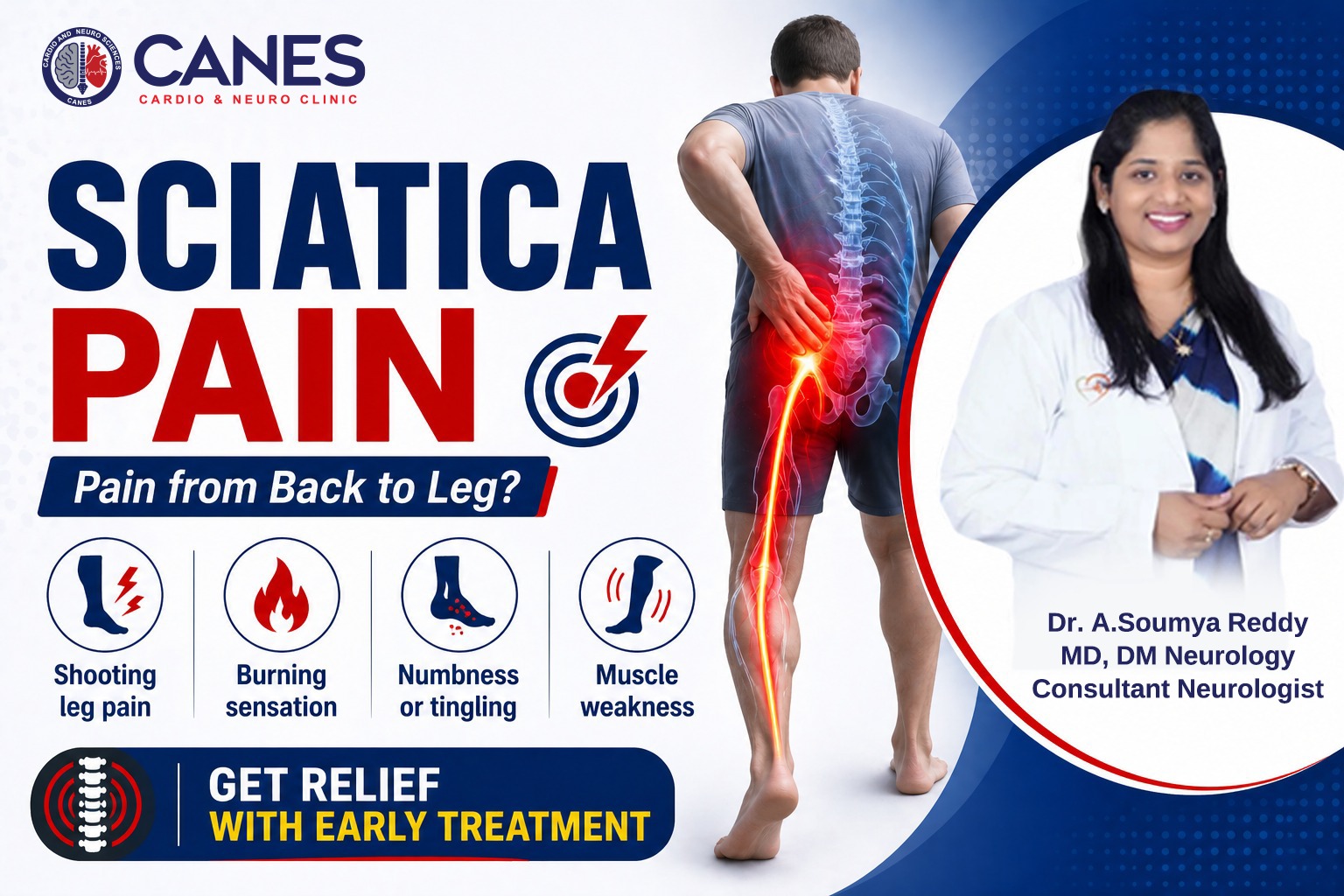
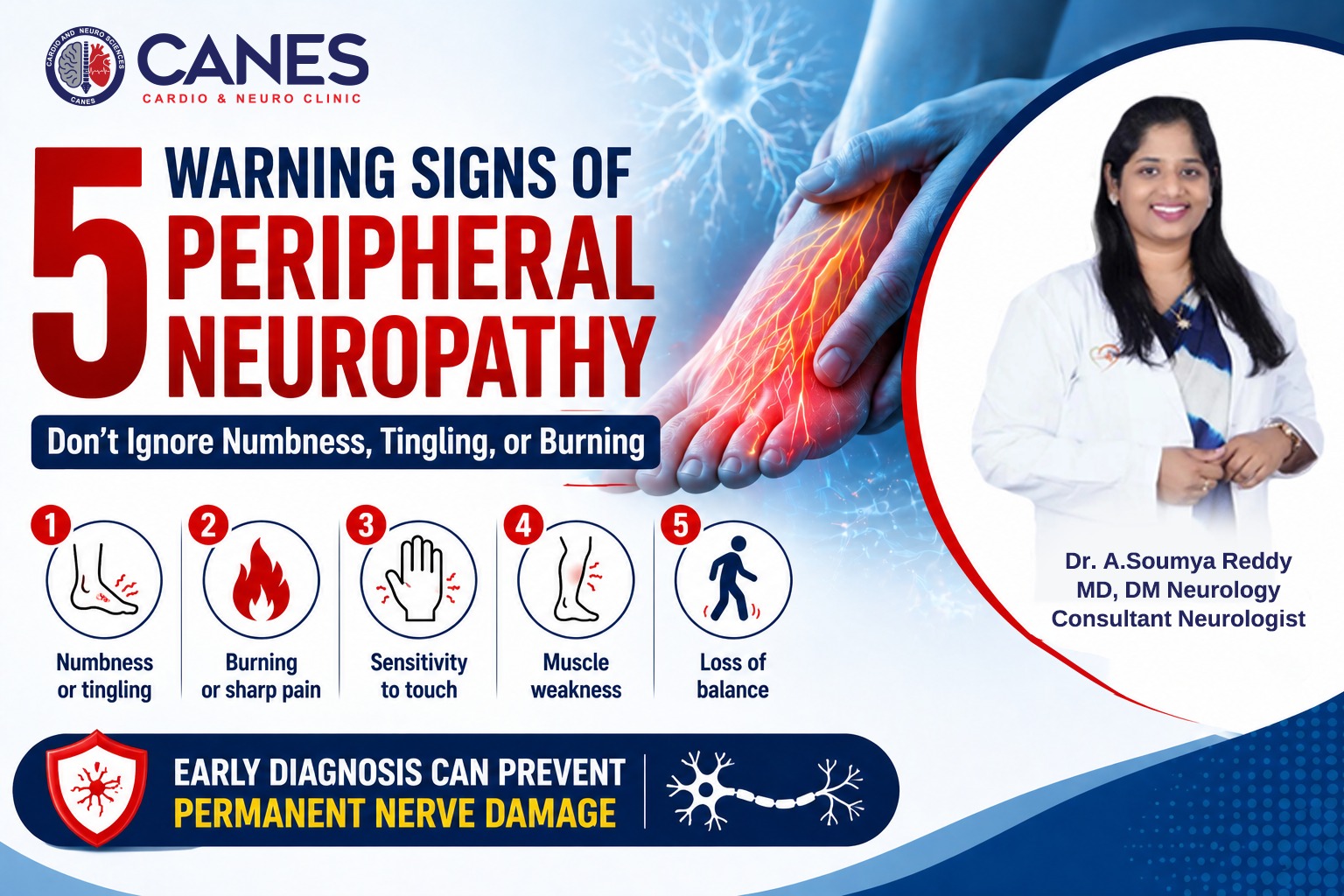
- Tingling or numbness
- Difficulty walking
- Difficulty climbing stairs
- Muscle stiffness
- Fatigue and reduced endurance
- Loss of balance or coordination
- Difficulty swallowing
- Difficulty speaking
- Reduced grip strength
- Muscle wasting
- Breathing difficulties in severe cases
Early neurological evaluation is important for identifying the underlying condition and preventing disease progression.
3. Causes of Neuromuscular Disorders
Neuromuscular disorders can develop due to several neurological and medical conditions.
Genetic Disorders
Certain neuromuscular conditions are inherited and may run in families, affecting muscle and nerve function from childhood or adulthood.
Autoimmune Disorders
In autoimmune neuromuscular diseases, the body’s immune system mistakenly attacks nerves, muscles, or neuromuscular junctions.
Examples include:
- Myasthenia Gravis
- Guillain-Barré Syndrome (GBS)
- Chronic Inflammatory Neuropathies
Nerve Damage
Peripheral nerve disorders may interfere with muscle control, sensation, and movement.
Muscle Diseases
Primary muscle disorders can directly weaken muscles and affect mobility and daily functioning.
Infections & Inflammation
Certain infections and inflammatory conditions may damage nerves and muscles, leading to neuromuscular symptoms.
Metabolic & Nutritional Disorders
Vitamin deficiencies, hormonal disorders, and metabolic abnormalities can affect nerve and muscle health.
4. Diagnosis of Neuromuscular Disorders
Accurate diagnosis requires detailed neurological assessment and specialized investigations to identify nerve and muscle abnormalities.
Diagnostic evaluation may include:
- Neurological examination
- Electromyography (EMG)
- Nerve Conduction Studies (NCS)
- Blood investigations
- MRI Brain Scan
- MRI Spine Scan
- CT Scan when required
- Muscle biopsy in selected cases
- Autoimmune and genetic evaluation
Electromyography (EMG)
EMG helps evaluate electrical activity within muscles and assists in identifying muscle or nerve dysfunction.
Nerve Conduction Studies (NCS)
These tests assess how effectively nerves transmit signals to muscles and help diagnose peripheral nerve disorders.
Muscle Biopsy
In selected cases, a muscle tissue sample may be examined to identify underlying muscle diseases.
At CANES Cardio & Neuro Clinic, advanced neurological diagnostic methods are used for accurate evaluation and treatment planning.
5. Neuromuscular Disorder Treatment
Treatment depends on the underlying cause, severity, and specific type of neuromuscular condition.
Early treatment may help improve muscle strength, mobility, function, and quality of life.
Treatment options may include:
- Medications for symptom control
- Immunotherapy for autoimmune disorders
- Physical therapy and rehabilitation
- Occupational therapy
- Nutritional support
- Pain management
- Respiratory support when required
- Long-term neurological monitoring
- Multidisciplinary neurological care
Dr. Soumya Arapreddy provides individualized treatment plans focused on improving muscle function, reducing complications, and maintaining independence.
6. Prevention & Neuromuscular Health
Although some neuromuscular disorders cannot be prevented, healthy lifestyle habits may support better nerve and muscle health.
Tips for maintaining neuromuscular health include:
- Exercise regularly
- Eat balanced nutritious diet
- Maintain healthy vitamin levels
- Avoid smoking and excessive alcohol use
- Manage diabetes and chronic illnesses properly
- Seek early treatment for neurological symptoms
- Attend regular neurological checkups
- Follow rehabilitation programs consistently
Early diagnosis and continuous neurological care are important for long-term management and better outcomes.
7. When Should You Consult a Neurologist?
Neurological consultation is recommended if you experience:
- Persistent muscle weakness
- Muscle twitching or cramps
- Difficulty walking or balancing
- Tingling or numbness
- Fatigue affecting mobility
- Difficulty swallowing
- Difficulty speaking
- Progressive muscle wasting
- Breathing-related muscle weakness
Prompt evaluation may help identify serious neuromuscular disorders early and improve treatment outcomes.
8. Neuromuscular Disorders Treatment in Kondapur
CANES Cardio & Neuro Clinic provides advanced neuromuscular disorder evaluation and comprehensive neurological care for patients across Kondapur, Gachibowli, Hitech City, Madhapur, Kukatpally, Financial District, and surrounding areas.
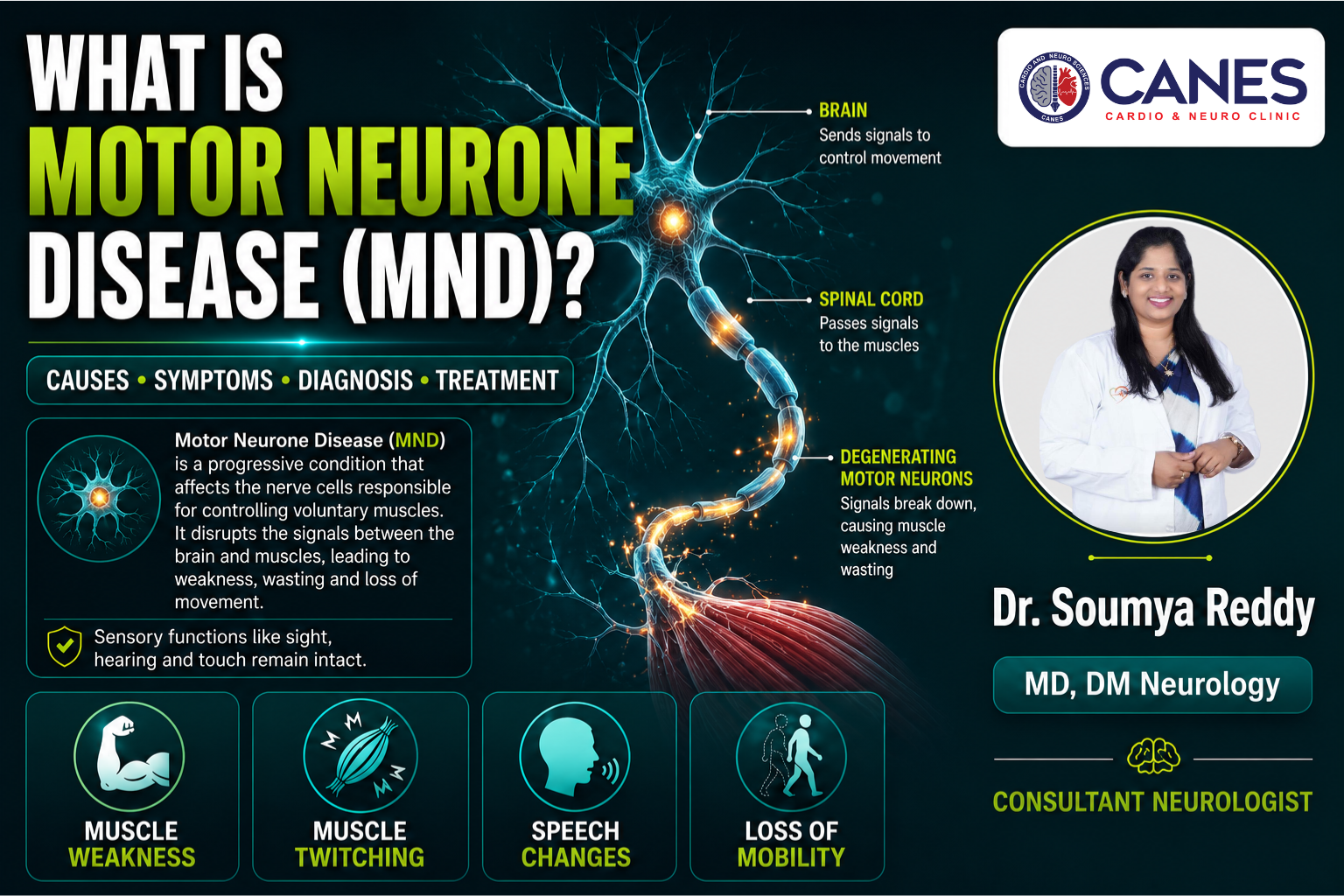
The clinic specializes in Myasthenia Gravis management, Guillain-Barré Syndrome evaluation, Motor Neuron Disease care, neuropathy treatment, Multiple Sclerosis management, epilepsy care, and comprehensive neurological consultation using evidence-based neurology approaches.
9. Why Choose CANES Cardio & Neuro Clinic?
Why patients choose CANES Clinic for neuromuscular disorder care:
- Advanced neuromuscular evaluation
- EMG and nerve conduction study assessment
- Personalized treatment planning
- Comprehensive rehabilitation support
- Long-term neurological monitoring
- Evidence-based treatment approaches
- Patient-focused neurological care
- Convenient location in Kondapur
10. About Dr. Soumya Arapreddy
Dr. Soumya Arapreddy
MD, DM Neurology
Consultant Neurologist
Dr. Soumya Arapreddy is a Consultant Neurologist with expertise in neuromuscular disorders, Motor Neuron Disease, Myasthenia Gravis, Guillain-Barré Syndrome, epilepsy management, migraine treatment, neuropathy care, autoimmune neurological diseases, and various neurological conditions affecting the brain, spine, nerves, and muscles.
She focuses on evidence-based neurological care, accurate diagnosis, and personalized treatment planning using modern neurology approaches and compassionate patient care.
At CANES Cardio & Neuro Clinic, Kondapur, she provides comprehensive neurological care for patients with neuromuscular disorders, Multiple Sclerosis, Parkinson’s disease, migraine, epilepsy, neuropathy, spine disorders, and other neurological conditions.
Expertise Areas
- Stroke (Paralysis)
- Migraine
- Headache
- Epilepsy
- Neck / Back Pain
- Neuropathy
- Dementia & Alzheimer’s Disorders
- Parkinson’s Disorders
- Multiple Sclerosis Disorder
- Pediatric Neurology
- CNS Infections
- Motor Neuron Disease
- Neuromuscular Disorders
- Spinal Cord Disorders
- Trigeminal Neuralgia
- Vertigo
9. Frequently Asked Questions