Prevent Stroke Before It Happens: Managing Risk & Symptoms
Table of Contents
- Introduction
- 1. Understanding the Types of Stroke
- 2. The Silent Threat: Managing Modifiable Risk Factors
- 3. Lifestyle Changes for Long-Term Prevention
- 4. Recognizing the "BE FAST" Warning Signs
- 5. Why Routine Screenings Matter
- 6. Expert Neurological Care at CANES Clinic
- FAQs
Book a Consultation
Prevention is better than cure. Talk to our specialists today.
A stroke, often referred to as a “brain attack,” is a medical emergency that can change a life in an instant. It occurs when the blood supply to part of the brain is interrupted or reduced, preventing brain tissue from getting oxygen and nutrients. Within minutes, brain cells begin to die. While the statistics surrounding stroke can be alarming, there is a powerful truth every individual should know: up to 80% of strokes are preventable.
Prevention is not a one-time event; it is a consistent commitment to managing hidden risks and understanding early warning signs. At CANES Cardio & Neuro Clinic in Kondapur, Hyderabad, we see firsthand how proactive care can save lives. In this guide, Dr. Soumya Reddy, Consultant Neurologist, explains how you can take control and prevent stroke before it happens.
1. Understanding the Types of Stroke
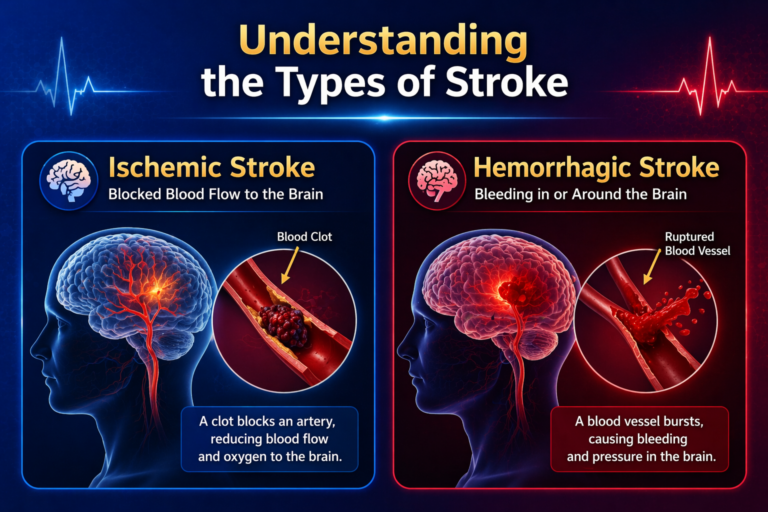
To prevent a stroke, we must first understand what we are fighting. There are two primary types of strokes:
- Ischemic Stroke: The most common type, caused by a blood clot that blocks or narrows an artery leading to the brain.
- Hemorrhagic Stroke: Occurs when a blood vessel in the brain leaks or ruptures, often due to uncontrolled high blood pressure or aneurysms.
Both types lead to rapid brain cell damage, making early intervention and, more importantly, long-term prevention the only real defense.
2. The Silent Threat: Managing Modifiable Risk Factors
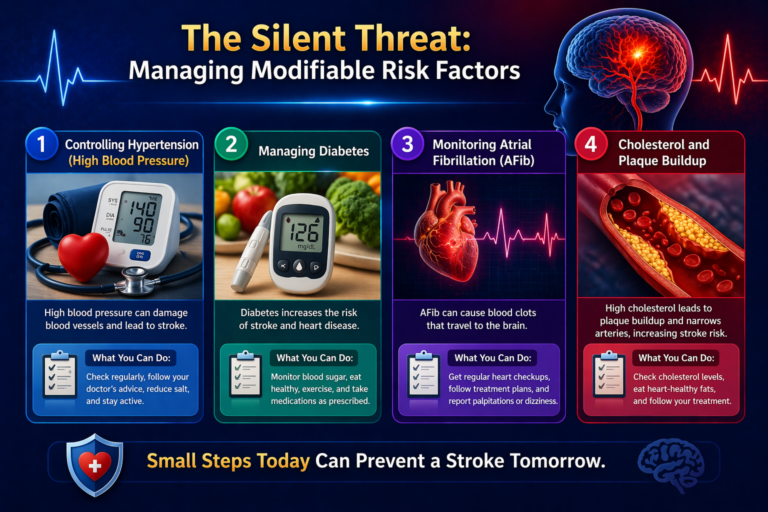
Most stroke risks don’t announce themselves with pain or discomfort. They build up silently over years. Managing these “modifiable” factors is the most effective way to prevent stroke before it happens.
1. Controlling Hypertension (High Blood Pressure)
High blood pressure is the leading cause of stroke. Chronic pressure weakens the blood vessels in the brain and accelerates the buildup of plaque. At CANES Clinic, we emphasize regular monitoring. Even a small reduction in your blood pressure numbers can significantly lower your stroke risk.
2. Managing Diabetes
High blood sugar levels damage blood vessels throughout the body over time. If you have diabetes, managing your levels through diet, exercise, and medication is essential for protecting your brain health.
3. Monitoring Atrial Fibrillation (AFib)
AFib is an irregular heartbeat that can cause blood to pool in the heart and form clots. These clots can travel to the brain, causing a major stroke. Because AFib can be “silent,” heart screenings are a vital part of stroke prevention.
4. Cholesterol and Plaque Buildup
High levels of “bad” cholesterol (LDL) lead to atherosclerosis the narrowing of the arteries. This narrowing restricts blood flow to the brain, making it easier for a clot to cause a total blockage.
3. Lifestyle Changes for Long-Term Prevention
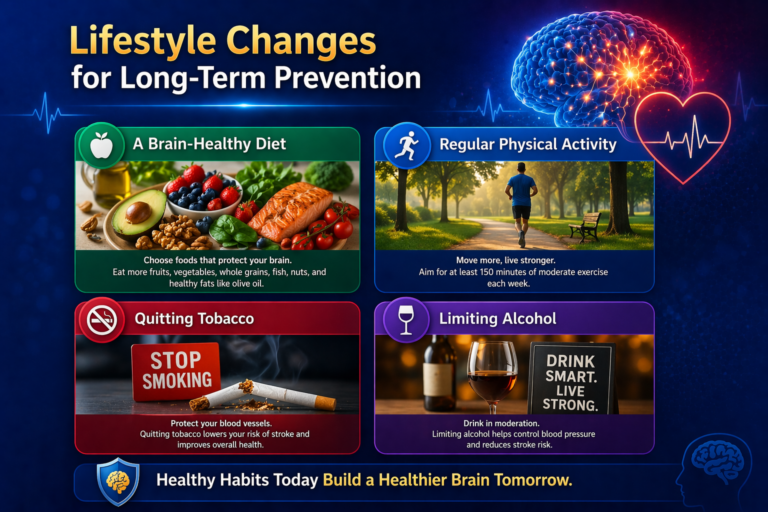
Your daily habits are your most powerful medicine. Dr. Soumya Reddy recommends focusing on these four pillars of health:
- A Brain-Healthy Diet: Focus on the DASH or Mediterranean diet. Increase your intake of fiber, potassium, and Omega-3 fatty acids (found in salmon, flaxseeds, and walnuts). Reduce salt intake to keep your blood pressure stable.
- Regular Physical Activity: Aim for at least 150 minutes of moderate-intensity exercise per week. Brisk walking, swimming, or cycling strengthens the heart and improves blood circulation to the brain.
- Quitting Tobacco: Smoking doubles your stroke risk by thickening your blood and increasing plaque buildup in the arteries.
- Limiting Alcohol: Excessive alcohol consumption spikes blood pressure and increases the risk of both ischemic and hemorrhagic strokes.
4. Recognizing the "BE FAST" Warning Signs
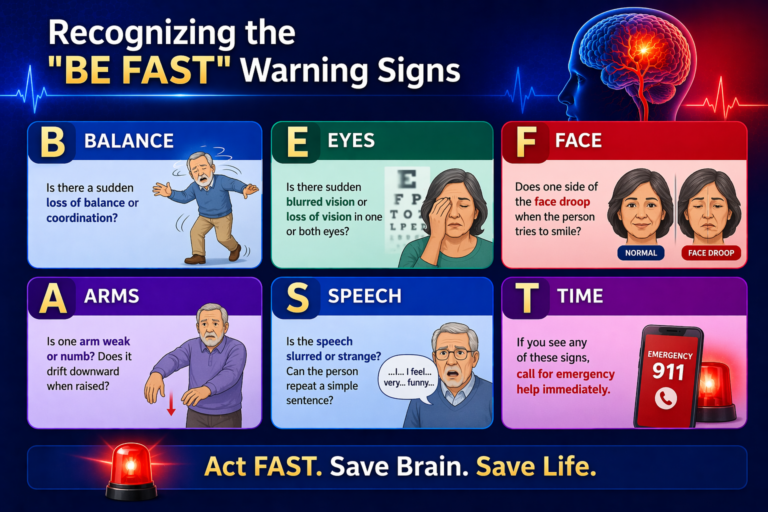
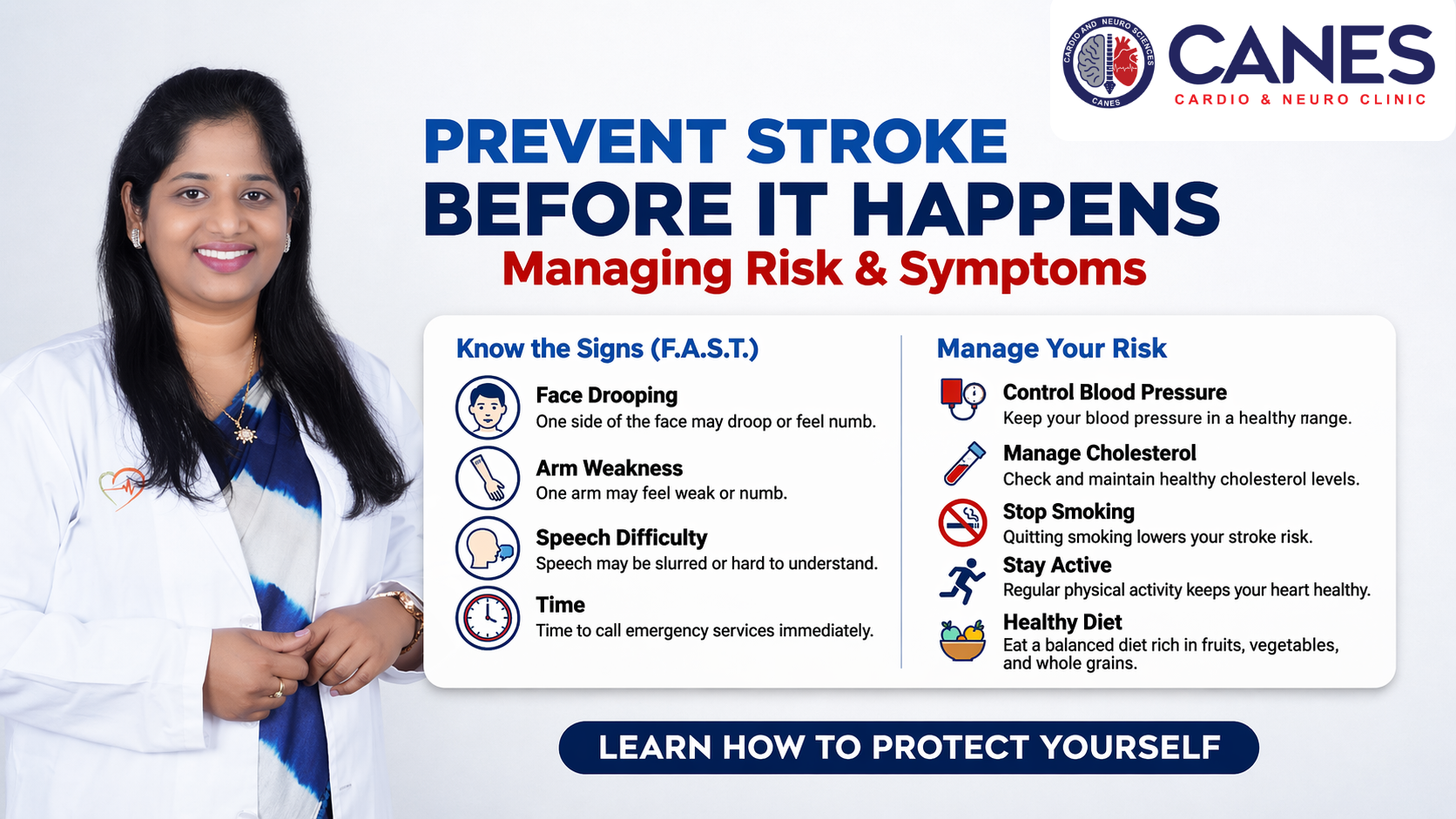
Even with the best prevention, you must be able to recognize a stroke immediately. Time is brain tissue. The acronym BE FAST is an easy way to remember the symptoms:
- B – Balance: Is there a sudden loss of balance or coordination?
- E – Eyes: Is there sudden blurred vision or loss of vision in one or both eyes?
- F – Face: Does one side of the face droop when the person tries to smile?
- A – Arms: Is one arm weak or numb? Does it drift downward when raised?
- S – Speech: Is the speech slurred or strange? Can the person repeat a simple sentence?
- T – Time: If you see any of these signs, call for emergency help immediately.
4. Why Routine Screenings Matter
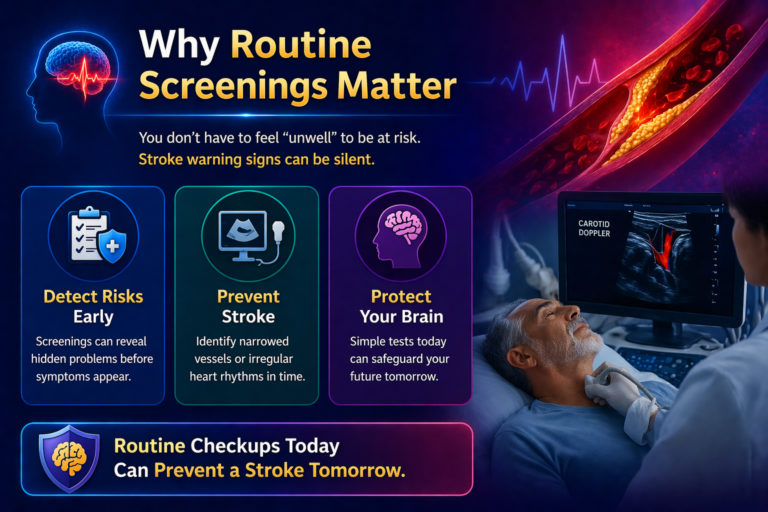
Many people believe they don’t need to see a neurologist unless they are feeling “unwell.” However, vascular damage can happen without any outward symptoms. Routine screenings, such as Carotid Doppler tests or advanced neuro-diagnostics, can identify narrowing vessels or irregular heart rhythms before they ever lead to a stroke.
Expert Neurological Care at CANES Clinic
At CANES Cardio & Neuro Clinic, we provide a multidisciplinary approach to stroke prevention. By combining expert cardiology (led by Dr. Kiran Lakkireddy) and neurology (led by Dr. Soumya Reddy), we address both the heart and the brain the two most critical systems in stroke management.
Don’t wait for a warning sign to take action.
📍 Location: 3rd Floor, Tapasavi Commercial Complex, Hi-Tension Rd, Kondapur, Hyderabad
📞 Call Us: +91 9014944654
🌐 Book an Appointment: Visit our website to schedule your comprehensive stroke risk assessment today.
Frequently Asked Questions (FAQs)
Expert Care
Hyderabad's leading Cardio & Neuro specialists.