Introduction Content
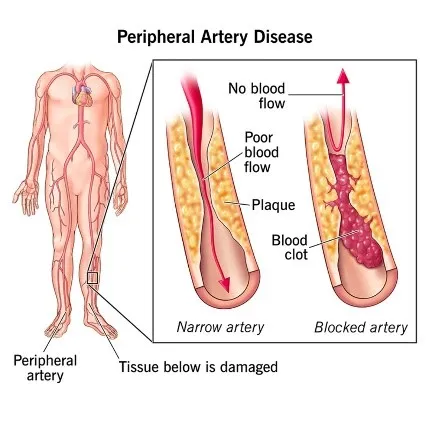
Peripheral Artery Intervention is a minimally invasive catheter-based procedure used to treat narrowing or blockage in arteries outside the heart, including arteries supplying the legs, brain, kidneys, and other parts of the body.
When these arteries become narrowed due to cholesterol plaque buildup (atherosclerosis), blood circulation decreases and may lead to leg pain, non-healing wounds, stroke risk, uncontrolled blood pressure, kidney complications, or critical limb ischemia.
At CANES Cardio & Neuro Clinic, Kondapur, Hyderabad, advanced peripheral artery angioplasty and stenting procedures are performed under the expertise of Dr. Kiran Lakkireddy, Senior Interventional Cardiologist, using modern imaging-guided techniques and minimally invasive vascular intervention methods.
Peripheral vascular interventions help restore blood flow, improve circulation, reduce symptoms, and lower the risk of severe vascular complications without the need for major open surgery.
1. Indications
Peripheral artery intervention may be recommended in patients with symptoms or imaging studies suggesting reduced blood flow in arteries outside the heart.
Common indications include:
- Leg pain while walking (Intermittent Claudication)
- Pain in legs at rest due to poor circulation
- Non-healing wounds or diabetic foot ulcers
- Critical Limb Ischemia
- Carotid artery narrowing with stroke risk
- Renal artery stenosis causing uncontrolled hypertension
- Aorto-Iliac artery disease
- Femoral artery blockage
- Popliteal artery narrowing
- Reduced pulses in the legs or arms
- Peripheral artery disease (PAD)
- Abnormal Doppler, CT Angiogram, or MR Angiogram findings
Early diagnosis and treatment of peripheral artery disease help reduce the risk of stroke, kidney damage, severe circulation problems, and limb loss.
Patients from Kondapur, Gachibowli, Hitech City, Madhapur, Financial District, Kukatpally, and nearby Hyderabad areas frequently seek advanced peripheral vascular treatment at CANES Clinic for circulation-related conditions.
2. Procedure
Peripheral artery intervention is performed in a specialized cath lab under local anesthesia and strict sterile precautions.
During the procedure:
- A small puncture is made in the artery, usually through the groin or wrist
- A thin catheter is inserted and guided toward the blocked artery using X-ray imaging
- A guidewire is carefully passed across the narrowed segment
- Balloon angioplasty is performed to widen the artery
- In many cases, a vascular stent is placed to maintain blood flow and prevent re-narrowing
The procedure usually takes around 30 minutes to 2 hours depending on the artery involved and the complexity of the blockage.
Most patients experience faster recovery and shorter hospital stay compared to major vascular surgery.
Advanced Peripheral Vascular Techniques
At CANES Cardio & Neuro Clinic Hyderabad, advanced endovascular techniques are used to improve procedural precision and vascular treatment outcomes.
Carotid Artery Stenting
Carotid artery narrowing increases the risk of stroke due to reduced blood supply to the brain.
Carotid artery stenting is performed using specialized embolic protection devices that help reduce the risk of stroke during the procedure.
Renal Artery Stenting
Renal artery narrowing may lead to uncontrolled hypertension and reduced kidney blood flow.
Renal artery angioplasty and stenting help improve blood circulation to the kidneys and support blood pressure control in selected patients.
Iliac & Femoral Artery Angioplasty
Blockages in the iliac or femoral arteries may reduce blood flow to the legs and cause pain while walking.
Angioplasty and stenting improve circulation to the lower limbs and help reduce symptoms related to peripheral artery disease.
Below-Knee Angioplasty
Below-knee vascular interventions are commonly performed in diabetic patients with foot ulcers, poor wound healing, or critical limb ischemia.
These procedures help improve blood flow to the foot and lower leg, supporting wound healing and limb preservation.
Drug-Coated Balloons & Peripheral Stents
Drug-coated balloons and advanced peripheral vascular stents may be used in long-segment or calcified arterial blockages to improve long-term vessel patency and reduce recurrence.
Atherectomy & Calcium Modification
In heavily calcified peripheral arteries, specialized plaque-modification devices may be used before angioplasty.
Advanced techniques include:
- Atherectomy devices
- High-pressure balloon angioplasty
- Calcium modification technologies
- Specialized vascular support devices
These techniques help improve vessel preparation and optimize procedural success.
3. Safety
Peripheral artery interventions are considered safe and effective when performed by experienced interventional specialists in a well-equipped cath lab environment.
At CANES Cardio & Neuro Clinic, Hyderabad, continuous monitoring of heart rate, oxygen levels, blood pressure, and vascular circulation is maintained throughout the procedure to ensure patient safety.
Possible but uncommon risks may include:
- Bleeding or swelling at puncture site
- Vessel injury or arterial dissection
- Contrast dye allergy
- Temporary kidney function changes
- Blood clot formation
- Embolism
- Rare stroke risk during carotid artery procedures
Advanced imaging guidance, embolic protection devices, and minimally invasive vascular techniques help improve safety and treatment outcomes.
4. Benefits of Peripheral Artery Intervention
Benefits of minimally invasive vascular intervention include:
- Improved blood circulation
- Relief from leg pain and walking difficulty
- Better wound healing in diabetic foot conditions
- Reduced stroke risk in carotid artery disease
- Improved kidney blood flow
- Limb preservation in critical ischemia
- Faster recovery compared to open vascular surgery
- Shorter hospital stay
- Improved mobility and quality of life
Early vascular intervention plays an important role in preventing severe vascular complications and improving long-term circulation.
5. Recovery After Peripheral Angioplasty
Recovery after peripheral vascular intervention is generally smooth in most patients.
After the procedure:
- Patients are monitored for circulation stability
- Walking may be advised gradually
- Blood thinner medications may be prescribed
- Smoking cessation and lifestyle modification are important
- Diabetes, blood pressure, and cholesterol control may be advised
- Regular vascular follow-up is recommended
Recovery duration depends on the complexity of the procedure and the patient’s vascular condition.
6. Peripheral Artery Disease Treatment in Kondapur
CANES Cardio & Neuro Clinic provides advanced peripheral artery intervention procedures for patients across Kondapur, Gachibowli, Madhapur, Hitech City, Financial District, Kukatpally, and surrounding Hyderabad locations.
The clinic specializes in minimally invasive vascular interventions including carotid artery stenting, renal artery angioplasty, lower limb angioplasty, diabetic foot circulation treatment, and advanced peripheral artery disease management.
7. Why Choose CANES Cardio & Neuro Clinic?
Why patients choose CANES Clinic for peripheral artery intervention in Hyderabad:
- Advanced endovascular treatment expertise
- Specialized peripheral vascular intervention support
- Modern cath lab and imaging-guided procedures
- Expertise in complex vascular blockages
- Minimally invasive circulation restoration procedures
- Personalized vascular treatment planning
- Advanced diabetic foot circulation management
- Convenient location in Kondapur, Hyderabad
8. About Dr. Kiran Lakkireddy
Dr. Kiran Lakkireddy
MD, DM Cardiology (JIPMER), FSCAI, FAPSIC
Senior Interventional Cardiologist
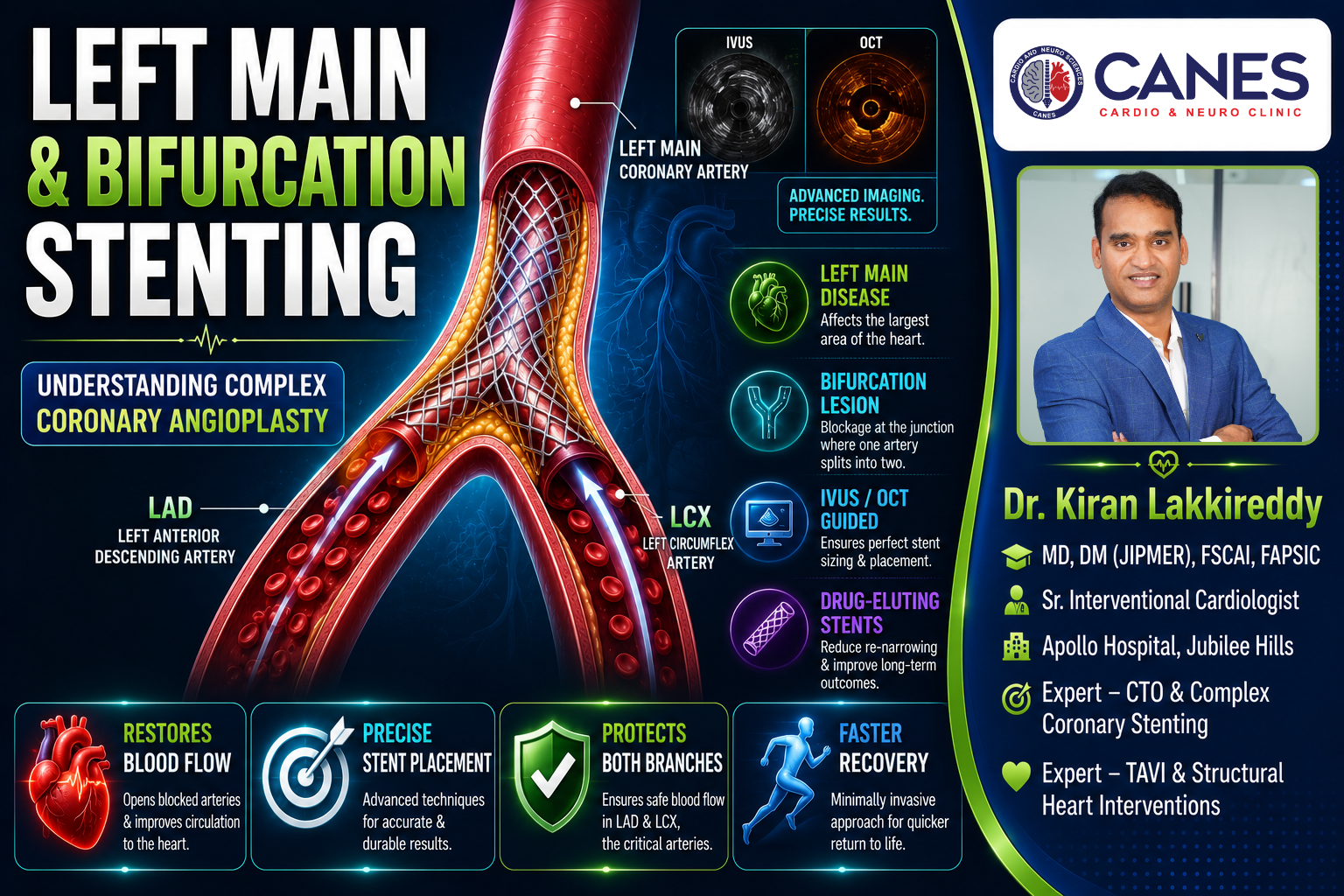
Dr. Kiran Lakkireddy is a Senior Interventional Cardiologist with expertise in advanced coronary and peripheral vascular interventions, complex angioplasty procedures, structural heart interventions, and minimally invasive catheter-based cardiac treatments.
He has extensive experience in managing peripheral artery disease, carotid artery stenosis, renal artery disease, diabetic vascular complications, and complex vascular blockages using advanced imaging-guided intervention techniques.
His clinical approach focuses on precision-based minimally invasive treatment, evidence-based vascular care, and personalized patient management.
At CANES Cardio & Neuro Clinic, Hyderabad, he provides comprehensive vascular and interventional cardiac care for patients with complex circulation-related disorders.
Expertise Areas
- Peripheral Artery Interventions
- Carotid Artery Stenting
- Renal Artery Angioplasty
- Lower Limb Angioplasty
- Complex Coronary Interventions
- High-Risk PCI
- IVUS / OCT Guided Procedures
- Structural Heart Interventions
- Diabetic Foot Circulation Management
9. Frequently Asked Questions