Introduction
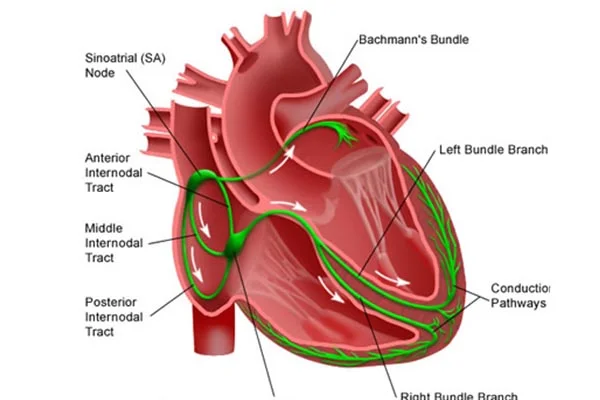
Electrophysiology (EP) Study and Radiofrequency (RF) Ablation are advanced catheter-based cardiac procedures used for the diagnosis and treatment of abnormal heart rhythms, also known as arrhythmias.
Heart rhythm disorders may cause symptoms such as palpitations, dizziness, fainting episodes, irregular heartbeat, breathlessness, or in some cases increase the risk of serious cardiac complications.
An EP study helps identify the exact electrical pathway or focus causing the abnormal rhythm, while RF ablation is used to permanently treat many arrhythmias without the need for long-term medications.
At CANES Cardio & Neuro Clinic, Kondapur, advanced electrophysiology procedures are performed under the expertise of Dr. Kiran Lakkireddy using modern EP lab technology, advanced cardiac mapping systems, and minimally invasive catheter-based rhythm management techniques.
1. Indications
EP study and RF ablation may be recommended in patients with suspected or confirmed heart rhythm disorders.
Common indications include:
- Recurrent palpitations
- Supraventricular Tachycardia (SVT)
- Wolff-Parkinson-White (WPW) Syndrome
- Atrial Flutter
- Selected cases of Atrial Fibrillation
- Ventricular Tachycardia
- Frequent premature heartbeats causing symptoms
- Unexplained syncope suspected due to arrhythmia
- Irregular heartbeat not responding to medications
- Patients seeking long-term rhythm correction
These procedures are commonly performed when ECG, Holter monitoring, stress test (TMT), or other cardiac investigations suggest underlying rhythm abnormalities that require precise evaluation.
Patients from Kondapur, Gachibowli, Hitech City, Madhapur, Financial District, Kukatpally, and nearby areas frequently visit CANES Clinic for advanced arrhythmia diagnosis and minimally invasive rhythm treatment procedures.
2. Procedure
Electrophysiology study and RF ablation are performed in a specialized electrophysiology lab under local anesthesia with mild sedation.
During the procedure:
- Small punctures are made in the veins, usually in the groin region
- Thin flexible electrophysiology catheters are guided into the heart using X-ray imaging
- Electrical signals within the heart are recorded and analyzed
- The abnormal electrical pathway or arrhythmia focus is identified
- Controlled radiofrequency energy is delivered through the catheter to treat the abnormal tissue responsible for the arrhythmia
The procedure is minimally invasive and does not usually require open surgery.
Many patients experience significant symptom improvement or permanent cure after successful RF ablation.
Advanced Electrophysiology Techniques
At CANES Cardio & Neuro Clinic, advanced cardiac rhythm management technologies are used to improve procedural precision and treatment outcomes.
Advanced electrophysiology support includes:
- 3-D Electroanatomical Mapping
- Advanced Arrhythmia Mapping Systems
- RF Ablation Techniques
- Complex SVT Ablation
- WPW Pathway Ablation
- Atrial Flutter Ablation
- Selected Atrial Fibrillation Ablation Procedures
- Ventricular Arrhythmia Evaluation
Advanced 3-D mapping systems help improve localization of abnormal rhythm pathways, especially in complex arrhythmias and atrial fibrillation procedures.
3. Safety
EP study and RF ablation are generally considered safe and effective procedures when performed by experienced cardiac electrophysiology specialists.
At CANES Cardio & Neuro Clinic, continuous monitoring of heart rhythm, oxygen levels, and blood pressure is maintained throughout the procedure to ensure patient safety.
Possible but uncommon risks may include:
- Bleeding at puncture site
- Temporary rhythm disturbances
- Blood vessel complications
- Heart perforation (rare)
- Need for pacemaker in selected cases
- Minor infection risk
Modern electrophysiology technology, imaging guidance, and advanced catheter systems help improve procedural safety and long-term success rates.
Most patients recover quickly and can gradually resume normal activities within a few days after the procedure.
4. Benefits of EP Study & RF Ablation
Benefits of electrophysiology procedures include:
- Accurate diagnosis of rhythm disorders
- Permanent treatment for many arrhythmias
- Reduced dependence on long-term medications
- Relief from palpitations and dizziness
- Improved heart rhythm stability
- Better quality of life
- Minimally invasive treatment approach
- Faster recovery compared to surgical procedures
Early treatment of arrhythmias can help reduce complications and improve long-term heart rhythm control.
5. Recovery After RF Ablation
Recovery after electrophysiology procedures is usually smooth in most patients.
After the procedure:
- Patients are monitored for several hours
- Walking is usually possible within a short time
- Heavy physical activity may be restricted temporarily
- Heart rhythm medications may be adjusted
- Follow-up rhythm evaluation may be advised
Most patients recover quickly and gradually return to normal daily activities under medical guidance.
6. Electrophysiology Treatment in Kondapur
CANES Cardio & Neuro Clinic provides advanced electrophysiology evaluation and RF ablation procedures for patients across Kondapur, Gachibowli, Madhapur, Hitech City, Financial District, Kukatpally, and surrounding areas.
The clinic specializes in minimally invasive arrhythmia treatment, advanced rhythm disorder diagnosis, catheter-based RF ablation, and long-term cardiac rhythm management using modern electrophysiology techniques.
7. Why Choose CANES Cardio & Neuro Clinic?
Why patients choose CANES Clinic for electrophysiology procedures:
- Advanced cardiac rhythm management expertise
- Specialized electrophysiology evaluation support
- Modern EP lab and mapping systems
- Minimally invasive arrhythmia treatment
- Personalized rhythm disorder management
- Advanced RF ablation techniques
- Comprehensive cardiac follow-up care
- Convenient location in Kondapur
8. About Dr. Kiran Lakkireddy
Dr. Kiran Lakkireddy
MD, DM Cardiology (JIPMER), FSCAI, FAPSIC
Senior Interventional Cardiologist
Dr. Kiran Lakkireddy is a Senior Interventional Cardiologist with expertise in advanced cardiac interventions, arrhythmia management, electrophysiology procedures, and minimally invasive catheter-based cardiac treatments.
He has experience in rhythm disorder evaluation, RF ablation procedures, cardiac device implantation, complex coronary interventions, and advanced heart care using evidence-based cardiac treatment approaches.
His clinical focus includes precision-guided rhythm management, personalized treatment planning, and advanced minimally invasive cardiac care for patients with arrhythmias and complex heart conditions.
At CANES Cardio & Neuro Clinic, Kondapur, he provides comprehensive care for patients with palpitations, rhythm disturbances, heart failure, and other advanced cardiac disorders.
Expertise Areas
- Electrophysiology Studies (EPS)
- RF Ablation Procedures
- SVT & WPW Treatment
- Arrhythmia Management
- Pacemaker / ICD / CRT Implantation
- Complex Coronary Interventions
- High-Risk PCI
- Advanced Cardiac Care
9. Frequently Asked Questions