Structural Heart Interventions in Kondapur

Home > Services > Structural Heart Interventions
Structural Heart Interventions in Kondapur - Dr Kiran Lakkireddy Cardiologist - CANES Clinic

Introduction

Structural Heart Interventions are advanced minimally invasive catheter-based procedures used to treat heart valve diseases and structural abnormalities of the heart without the need for traditional open-heart surgery.

These procedures are performed using specialized catheter techniques, advanced imaging guidance, fluoroscopy, echocardiography, and modern structural heart technologies to improve heart function and blood flow.

At CANES Cardio & Neuro Clinic, Kondapur, advanced structural heart procedures are performed under the expertise of Dr. Kiran Lakkireddy, Senior Interventional Cardiologist, using precision-guided minimally invasive treatment approaches for complex valve and structural heart conditions.

Structural heart interventions are especially beneficial for elderly patients, high-risk surgical candidates, and patients seeking minimally invasive alternatives to open-heart surgery.

1. Indications

Structural heart interventions may be recommended in patients with severe valve disease or structural abnormalities affecting heart function and circulation.

Common indications include:
  • Severe Aortic Valve Stenosis
  • Severe Mitral Regurgitation
  • Severe Tricuspid Regurgitation
  • Degenerated Bioprosthetic Valves
  • Atrial Fibrillation with high stroke risk
  • Congenital Structural Heart Defects
  • Patients unsuitable for open-heart surgery
  • Elderly or high surgical risk patients
  • Symptomatic valve disease causing breathlessness or fatigue
  • Structural abnormalities affecting heart pumping efficiency

Before planning any structural heart procedure, detailed cardiac evaluation is performed using echocardiography, CT scan, coronary angiogram, and multidisciplinary heart team assessment.

Patients from Kondapur, Gachibowli, Hitech City, Madhapur, Financial District, Kukatpally, and nearby areas frequently seek advanced structural heart treatment at CANES Clinic for minimally invasive valve interventions and complex heart care.

2. Types of Structural Heart Procedures

At CANES Cardio & Neuro Clinic, advanced catheter-based structural heart procedures are performed using modern imaging-guided interventional techniques.


TAVI / TAVR (Transcatheter Aortic Valve Implantation)

TAVI or TAVR is performed for severe aortic valve stenosis in patients who may be high-risk candidates for surgical valve replacement.

During the procedure:
  • A catheter is inserted usually through the femoral artery
  • A collapsible artificial valve is guided to the diseased aortic valve
  • The new valve is expanded within the old valve
  • Blood flow improves immediately after valve deployment

Continuous fluoroscopy and echocardiography guidance help improve procedural precision and safety.

Most patients recover relatively quickly and can gradually resume walking within a short time after the procedure.


MitraClip / Transcatheter Mitral Valve Repair

MitraClip is a minimally invasive procedure used to treat severe mitral valve leakage (mitral regurgitation).

During the procedure:
  • Access is obtained through the femoral vein
  • A catheter is advanced into the left side of the heart using transseptal techniques
  • The MitraClip device is positioned on the mitral valve leaflets
  • Valve leakage is reduced while preserving valve function

TEE (Transesophageal Echocardiography) guidance is used throughout the procedure for precise device positioning.

Many patients experience improvement in symptoms and quality of life after successful mitral valve repair.


Tricuspid Valve Repair / TRICLIP Procedures

Transcatheter tricuspid valve procedures are used in patients with severe tricuspid valve leakage who are high-risk surgical candidates.

Using catheter-based techniques, clip or valve devices are positioned on the tricuspid valve under advanced imaging guidance to reduce valve leakage and improve circulation.

These minimally invasive procedures help improve symptoms related to severe tricuspid regurgitation and right heart dysfunction.


TMVR (Transcatheter Mitral Valve Replacement)

TMVR is an advanced structural heart procedure used in selected patients with severe mitral valve disease or failed previous surgical valves.

A new valve is implanted using catheter-based techniques through carefully planned vascular access routes depending on patient anatomy and valve condition.

Advanced CT imaging and echocardiography are essential for safe and accurate valve positioning during TMVR procedures.


TPVR (Transcatheter Pulmonary Valve Replacement)

TPVR is mainly performed in selected congenital heart disease patients with diseased pulmonary valves or prior surgical conduits.

A new pulmonary valve is implanted through catheter-based techniques, helping avoid repeat open-heart surgery and improving long-term heart function.


LAA Closure (Left Atrial Appendage Closure)

LAA Closure is performed in patients with atrial fibrillation who are at high stroke risk and unable to tolerate long-term blood-thinning medications.

During the procedure:
  • Access is obtained through the femoral vein
  • A transseptal puncture technique is used
  • A closure device is placed inside the left atrial appendage
  • Stroke risk related to clot formation is reduced

Most patients recover quickly after the procedure with short hospital stay and close monitoring.

3. Safety

Structural heart interventions are considered safe and highly effective when performed by experienced structural heart specialists using advanced imaging support and modern catheter-based technologies.

At CANES Cardio & Neuro Clinic, continuous cardiac monitoring, fluoroscopy, echocardiography guidance, and specialized structural heart imaging systems are used throughout the procedure to improve precision and patient safety.

Possible but uncommon risks may include:
  • Bleeding or vascular complications
  • Stroke
  • Valve leak
  • Rhythm disturbances
  • Need for pacemaker implantation
  • Device malposition
  • Pericardial complications
  • Temporary kidney function changes

Advanced procedural planning and modern device technologies help improve procedural success and long-term outcomes in structural heart interventions.

4. Benefits of Structural Heart Interventions

Benefits of minimally invasive structural heart procedures include:
  • Avoidance of open-heart surgery in selected patients
  • Faster recovery and shorter hospital stay
  • Reduced surgical trauma
  • Improved valve function and blood circulation
  • Relief from breathlessness and fatigue
  • Improved quality of life
  • Better treatment options for elderly and high-risk patients
  • Minimally invasive treatment approach

These procedures help improve long-term heart function while reducing recovery time compared to conventional surgery.

5. Recovery After Structural Heart Procedures

Recovery depends on the type of structural intervention performed and the patient’s overall cardiac condition.

After the procedure:
  • Patients are monitored closely for cardiac stability
  • Walking is usually encouraged gradually
  • Medications may be adjusted
  • Follow-up imaging may be recommended
  • Lifestyle and heart health management guidance may be advised

Many patients experience symptom improvement and improved exercise tolerance after successful structural heart intervention.

6. Structural Heart Treatment in Kondapur

CANES Cardio & Neuro Clinic provides advanced structural heart intervention procedures for patients across Kondapur, Gachibowli, Madhapur, Hitech City, Financial District, Kukatpally, and surrounding areas.

The clinic specializes in minimally invasive valve replacement procedures, transcatheter valve repair, structural heart disease management, LAA closure, and advanced catheter-based heart interventions using modern structural cardiology techniques.

7. Why Choose CANES Cardio & Neuro Clinic?

Why patients choose CANES Clinic for structural heart procedures:
  • Advanced structural heart intervention expertise
  • Specialized valve intervention support
  • Modern imaging-guided cardiac procedures
  • Minimally invasive catheter-based treatment approaches
  • Expertise in high-risk cardiac patients
  • Comprehensive structural heart evaluation
  • Personalized treatment planning
  • Convenient location in Kondapur

8. About Dr. Kiran Lakkireddy

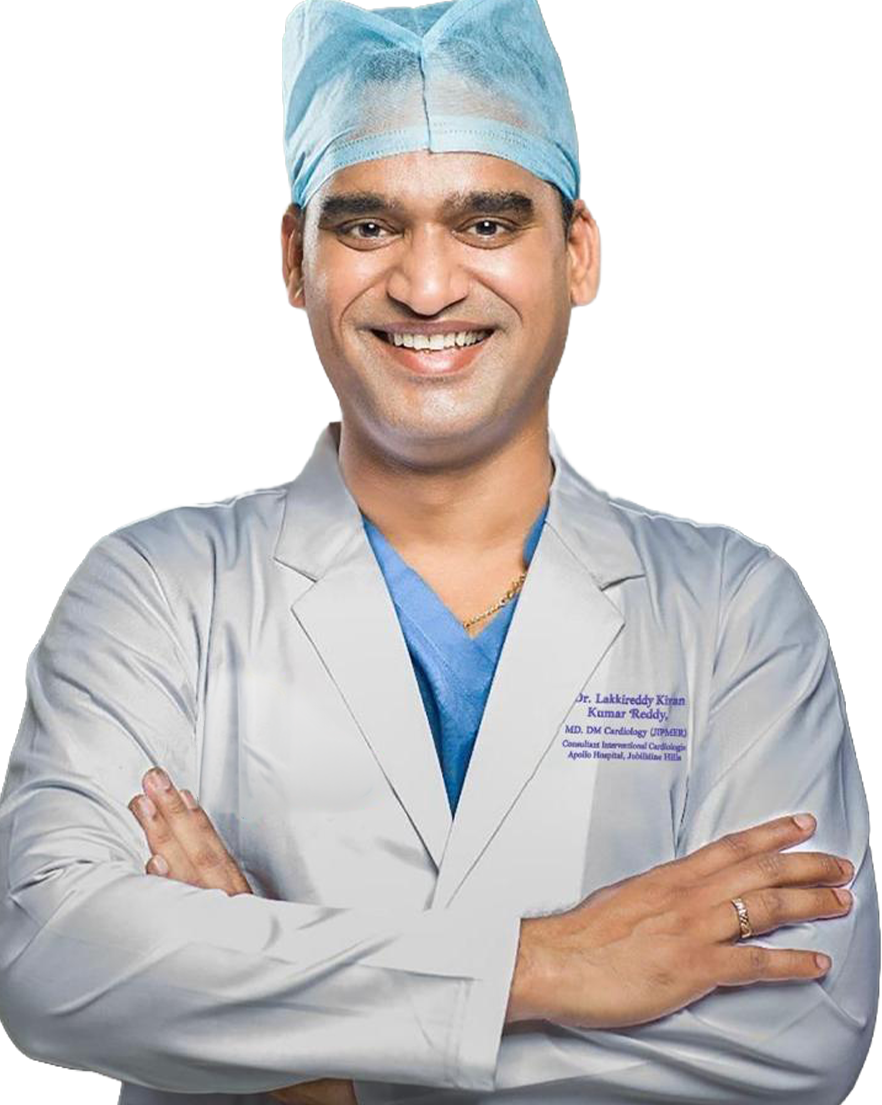
Dr. Kiran Lakkireddy

MD, DM Cardiology (JIPMER), FSCAI, FAPSIC
Senior Interventional Cardiologist

Dr. Kiran Lakkireddy is a Senior Interventional Cardiologist with expertise in structural heart interventions, advanced coronary procedures, valve repair therapies, and minimally invasive catheter-based cardiac treatments.

He has experience in TAVI/TAVR procedures, MitraClip therapy, transcatheter valve interventions, complex coronary interventions, and advanced imaging-guided cardiac procedures using evidence-based structural heart treatment approaches.

His clinical focus includes precision-guided minimally invasive cardiac care, advanced valve intervention planning, and personalized treatment strategies for complex heart conditions.

At CANES Cardio & Neuro Clinic, Kondapur, he provides comprehensive structural and interventional cardiac care for patients with advanced valve disease and complex cardiac disorders.


Expertise Areas
  • TAVI / TAVR Procedures
  • MitraClip & TMVR Procedures
  • Structural Heart Interventions
  • LAA Closure
  • Complex Coronary Interventions
  • High-Risk PCI
  • IVUS / OCT Guided Procedures
  • Advanced Valve Therapies

9. Frequently Asked Questions

Q: What are structural heart interventions?
A: Structural heart interventions are minimally invasive catheter-based procedures used to treat heart valve diseases and structural abnormalities without open-heart surgery.
Q: What is TAVI / TAVR?
A: TAVI/TAVR is a minimally invasive valve replacement procedure used to treat severe aortic valve stenosis.
Q: What is MitraClip procedure?
A: MitraClip is a catheter-based treatment used to reduce severe mitral valve leakage without open-heart surgery.
Q: Who is suitable for structural heart procedures?
A: These procedures are commonly recommended for elderly patients, high-risk surgical candidates, or patients seeking minimally invasive valve treatment options.
Q: Is structural heart intervention safe?
A: Yes, these procedures are generally considered safe and effective when performed by experienced structural heart specialists using advanced imaging support.
Q: What is LAA Closure?
A: Left Atrial Appendage (LAA) Closure is a procedure used to reduce stroke risk in selected atrial fibrillation patients who cannot take long-term blood thinners.
Q: What is the recovery time after structural heart procedures?
A: Recovery depends on the type of procedure performed, but many patients recover faster compared to traditional open-heart surgery.
Dr. Kiran Lakkireddy-canes clinic Kondapur

Dr Kiran Lakkireddy

MD, DM(JIPMER), FSCAI, FAPSIC
Senior Interventional Cardiologist
Specialization

●15+ Years Of Experience 
●CTO & Complex Coronary Stenting
● TAVI & Structural Heart Interventions

Need Help? Contact Us

Cardiology Blogs

Why Sudden Cardiac Arrest Happens in Young Athletes: 6 Hidden Causes

Why Sudden Cardiac Arrest Happens in Young Athletes: 6 Hidden Causes

●   Lifestyle & Prevention Why Sudden Cardiac Arrest Happens in…

Heart Palpitations: 7 Signs When It’s Normal and When You Should Worry

Heart Palpitations: 7 Signs When It’s Normal and When You Should Worry

●   Lifestyle & Prevention Heart Palpitations: 7 Signs When It’s…

Why Do Most Heart Attacks Occur in the Early Morning? 5 Common Reasons

Why Do Most Heart Attacks Occur in the Early Morning? 5 Common Reasons

●   Lifestyle & Prevention Why Do Most Heart Attacks Occur…

What Is the MitraClip Procedure? 7 Benefits, Risks & Recovery Explained

What Is the MitraClip Procedure? 7 Benefits, Risks & Recovery Explained

●   Lifestyle & Prevention What Is the MitraClip Procedure? 7…

7 Life-Saving Facts About the TAVI Procedure: Benefits & Recovery

7 Life-Saving Facts About the TAVI Procedure: Benefits & Recovery

●   Lifestyle & Prevention 7 Life-Saving Facts About the TAVI…

Why Heart Failure in Young Indians is Rising: 5 Crucial Insights

Why Heart Failure in Young Indians is Rising: 5 Crucial Insights

●   Lifestyle & Prevention Why Heart Failure in Young Indians…