Regular physical activity is one of the most important lifestyle measures for maintaining your long-term well-being. The heart is a muscle, and just like other muscles in the body, it adapts and strengthens in response to regular physical activity. Over time, appropriate exercise can improve cardiovascular fitness and help your heart and circulation work much more efficiently.
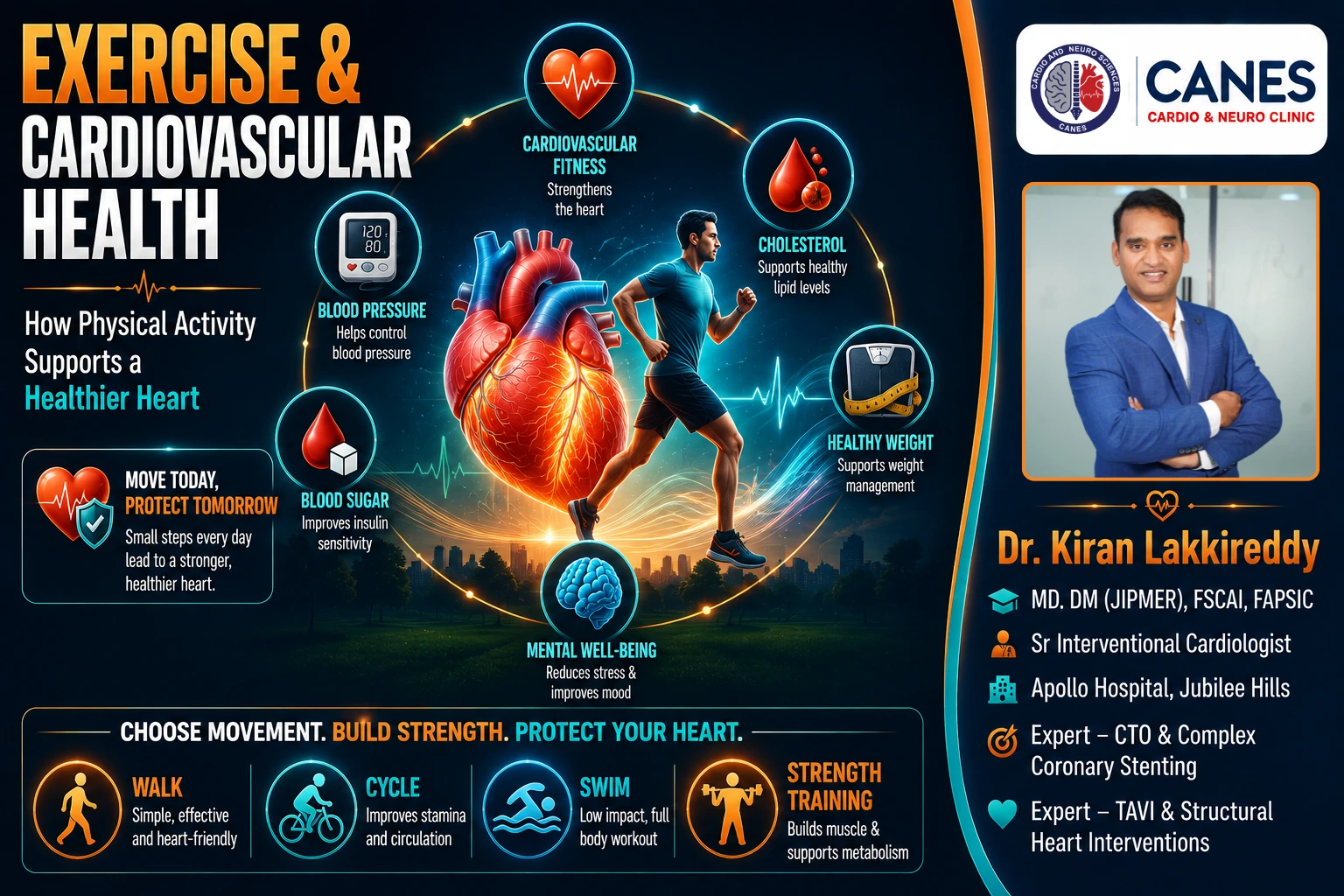
The connection between exercise and cardiovascular health extends far beyond the heart itself. Regular physical activity can help improve blood pressure, lower cholesterol, boost insulin sensitivity, manage body weight, and heavily support emotional well-being. It is definitively associated with a lower risk of heart disease, stroke, and type 2 diabetes. However, exercise is not identical for every person. Someone who is generally healthy may require a very different program from someone recovering from a heart attack or living with heart failure.
At CANES Cardio & Neuro Clinic in Hyderabad, guided by Dr. Kiran Lakkireddy, an experienced interventional cardiologist, our approach emphasizes careful cardiovascular assessment and patient education. This comprehensive guide will explain exactly how physical activity protects your heart and how to begin exercising safely.
Quick Answer
Exercise supports cardiovascular health by strengthening the heart muscle, lowering blood pressure, improving cholesterol levels, and regulating blood sugar.
For most adults, current guidelines recommend aiming for 150–300 minutes of moderate-intensity aerobic activity each week (like brisk walking), or 75–150 minutes of vigorous-intensity activity, alongside muscle-strengthening exercises on at least two days per week. However, people with known cardiovascular disease, significant symptoms, or certain uncontrolled medical conditions should discuss an appropriate exercise plan with their healthcare professional before starting.
Exercise and Cardiovascular Health at a Glance
Cardiovascular Benefit | How Exercise Helps | Why It Matters |
Cardiovascular Fitness | Trains the heart and lungs to support activity more efficiently. | Improves exercise capacity and makes everyday physical activities easier to perform. |
Blood Pressure | Regular activity helps lower and control resting blood pressure. | High blood pressure is a major risk factor for heart attack, stroke, and other cardiovascular disease. |
Cholesterol | Improves lipid-related risk factors by balancing blood fats. | Crucial for preventing atherosclerotic plaque buildup. |
Metabolic Health | Improves insulin sensitivity and glucose utilization. | Essential for people with diabetes or pre-diabetes. |
Vascular Health | Improves circulation and overall endothelial (blood vessel) function. | Supports healthy blood-vessel function and circulation. |
Mental Well-Being | Reduces anxiety, improves sleep, and boosts mood. | Emotional stress directly impacts cardiovascular strain. |
What Is the Difference Between Physical Activity and Exercise?
Physical activity refers to any bodily movement that burns energy (like gardening or walking), whereas exercise is a structured, planned activity performed specifically to improve fitness, strength, or endurance.
Key Takeaway: Movement matters. While structured exercise is highly valuable, simply increasing your everyday physical activity and reducing the hours you spend sitting is crucial for a heart-healthy lifestyle.
You do not necessarily need a gym membership to protect your heart. Taking the stairs, cycling for transportation, and completing household chores all contribute to your overall activity levels and provide meaningful cardiovascular benefits.
How Does Exercise Affect the Heart?
During physical activity, the cardiovascular system increases blood flow, making the heart beat faster to deliver more oxygen; with regular aerobic training, the heart adapts and becomes highly efficient at supporting this demand.
Key Takeaway: The goal of exercise is to create a healthy cardiovascular training stimulus, not to push yourself to absolute exhaustion.
With regular aerobic training, the cardiovascular system adapts, improving the heart’s efficiency and your overall exercise capacity. It pumps more blood with every beat, meaning it doesn’t have to work as hard during your normal daily activities.
1. Exercise Can Improve Cardiovascular Fitness
Aerobic exercise (such as brisk walking, cycling, swimming, or dancing) helps condition the heart and lungs. As fitness improves, you will notice that walking long distances or climbing stairs requires far less effort. Importantly, physical activity improves cardiometabolic risk factors even if substantial weight loss does not occur.
2. Exercise and Blood Pressure
High blood pressure places severe stress on the heart and blood vessels. Regular physical activity naturally lowers blood pressure. While it does not replace prescribed blood-pressure medicine, exercise is an essential part of hypertension management. If your blood pressure is severely uncontrolled, seek medical advice before starting vigorous activity.
3. Exercise and Cholesterol
Regular physical activity can improve several lipid-related risk factors, although its effects on LDL (bad) cholesterol are generally modest. Exercise works best alongside a heart-healthy diet and cholesterol-lowering medication when prescribed by your doctor.
4. Exercise and Blood-Sugar Control
During exercise, your working muscles consume glucose for energy. Regular physical activity improves insulin sensitivity and helps the body regulate blood sugar more effectively. Because diabetes is a major cardiovascular risk factor, controlling blood sugar through physical activity can contribute to better cardiovascular health.
5. Exercise and Body Weight
Physical activity is vital for preventing weight gain. However, the relationship is complex. Current cardiovascular guidelines emphasize that physical activity improves blood pressure, insulin resistance, and cholesterol even if substantial weight loss does not occur.
6. Exercise and Blood-Vessel Health
The inner lining of your blood vessels is called the endothelium. Regular exercise improves endothelial function, helping your arteries relax, open up, and respond appropriately to the body’s changing demands.
Does Sitting Too Much Affect Heart Health?
Yes. Spending long periods of time sitting or remaining sedentary is independently associated with poorer cardiovascular health and a higher risk of heart disease.
Key Takeaway: “Move more, sit less.” Breaking up prolonged periods of sitting with regular, brief movement is a highly useful complement to your structured exercise routine.
Even if you meet the weekly exercise recommendations, sitting at a desk for 8 to 10 hours a day can still negatively impact your metabolic health. Breaking up prolonged sitting with standing, stretching, or short periods of walking can help reduce sedentary time and add more movement to your day.
Can Exercise Prevent a Heart Attack?
Regular physical activity significantly reduces the long-term risk of heart disease and stroke by controlling blood pressure, cholesterol, and diabetes, but it cannot absolutely guarantee that a heart attack will never occur.
Key Takeaway: Exercise works best as one foundational component of a comprehensive cardiovascular prevention plan that also includes a healthy diet and avoidance of smoking.
Heart-attack risk is driven by a combination of genetics, age, kidney disease, and established atherosclerosis. Exercise actively reduces your modifiable risks by improving metabolic health and reducing the danger of physical inactivity.
Can Exercise Ever Trigger a Heart Problem?
For most people, the cardiovascular benefits of exercise heavily outweigh the risks; however, sudden, vigorous exertion can temporarily increase cardiac risk in people who are poorly conditioned or have underlying heart disease.
Key Takeaway: The safest approach is to start low and build gradually. Do not suddenly attempt heavy weightlifting or intense running if you have been sedentary for years.
How Much Exercise Is Recommended?
Current guidelines recommend that most healthy adults complete 150 to 300 minutes of moderate-intensity aerobic activity per week, or 75 to 150 minutes of vigorous activity, alongside muscle-strengthening exercises on at least two days per week.
Key Takeaway: You do not need to complete your exercise in one long session. Shorter periods of activity throughout the day can still contribute to your weekly total, and any movement is better than none.
What Does "Moderate-Intensity" Mean?
A practical way to measure intensity is the “talk test.” During moderate activity (like brisk walking or water aerobics):
- Your breathing is noticeably faster.
- Your heart rate rises.
- You can generally still hold a conversation.
- Singing comfortably becomes difficult.
What Is "Vigorous-Intensity"?
During vigorous activity (like running, fast cycling, or lap swimming):
- Breathing becomes substantially harder.
- Speaking more than a few words without pausing for breath becomes very difficult.
What Types of Exercise Are Good for Cardiovascular Health?
A well-rounded heart-health program combines aerobic exercise to build endurance, resistance training to improve muscle strength, and flexibility/balance exercises to support overall mobility.
- Aerobic Exercise: Walking, cycling, and swimming train the heart and lungs to support sustained activity. Brisk walking is often the simplest and best place to start.
- Resistance Training: Using free weights or resistance bands improves muscle strength and body composition, which provides beneficial effects on cardiovascular risk factors.
- Flexibility and Balance: Flexibility and balance activities can be particularly valuable for older adults, especially those with reduced mobility, to support function and help prevent falls.
Who Should Seek Medical Advice Before Starting Exercise?
People with known cardiovascular disease, significant symptoms, or certain uncontrolled medical conditions should discuss an appropriate exercise plan with their healthcare professional before starting vigorous or substantially increasing physical activity.
You should seek medical advice before starting or substantially increasing exercise if you have:
- Known coronary artery disease or a previous heart attack.
- Heart failure or significant rhythm problems.
- Unexplained chest discomfort or severe breathlessness.
- Dizziness or fainting with activity.
Warning Signs During Exercise
Exercise should naturally increase your breathing and heart rate, but you should never ignore potentially serious symptoms. Stop exercising immediately and seek emergency care if you experience:
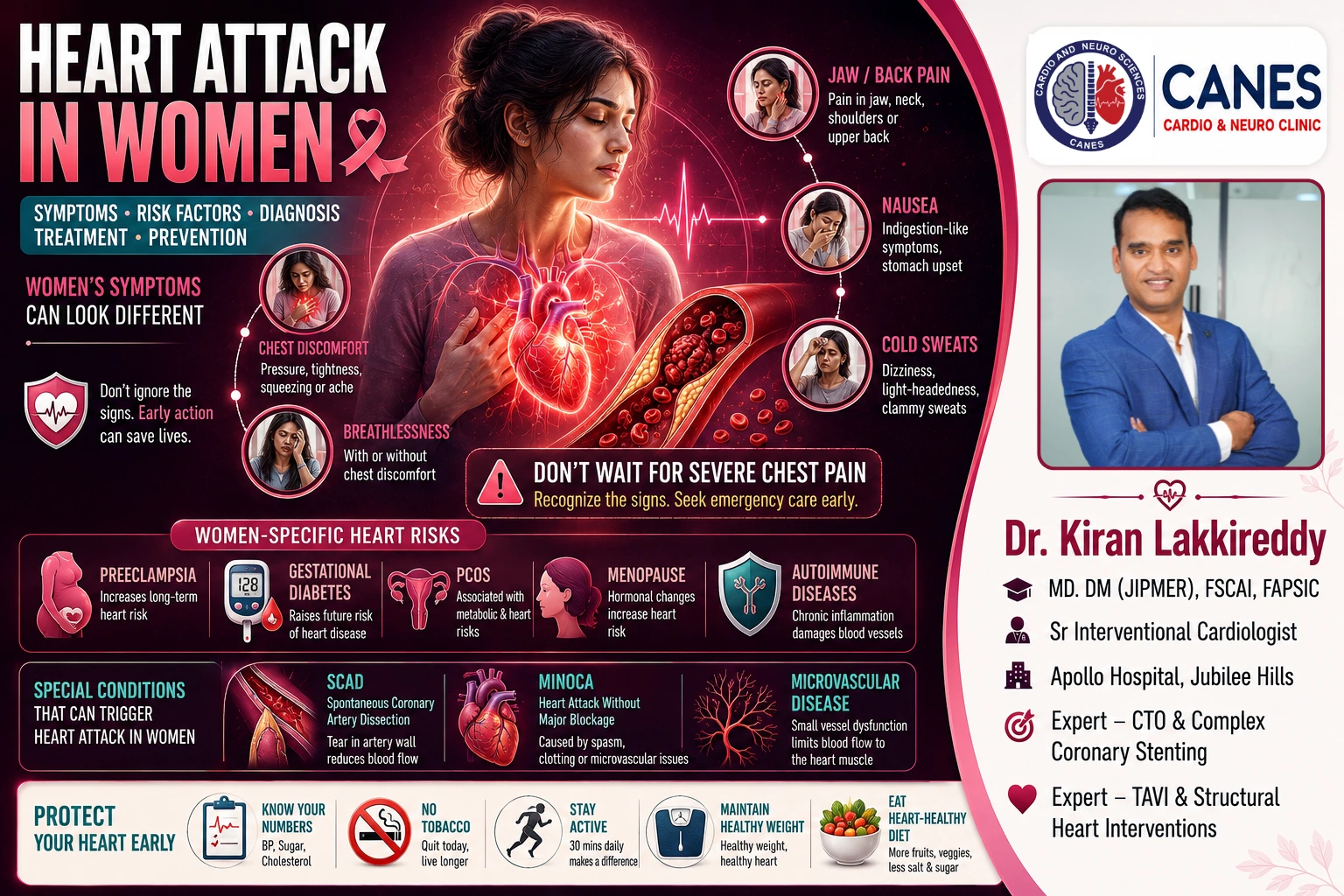
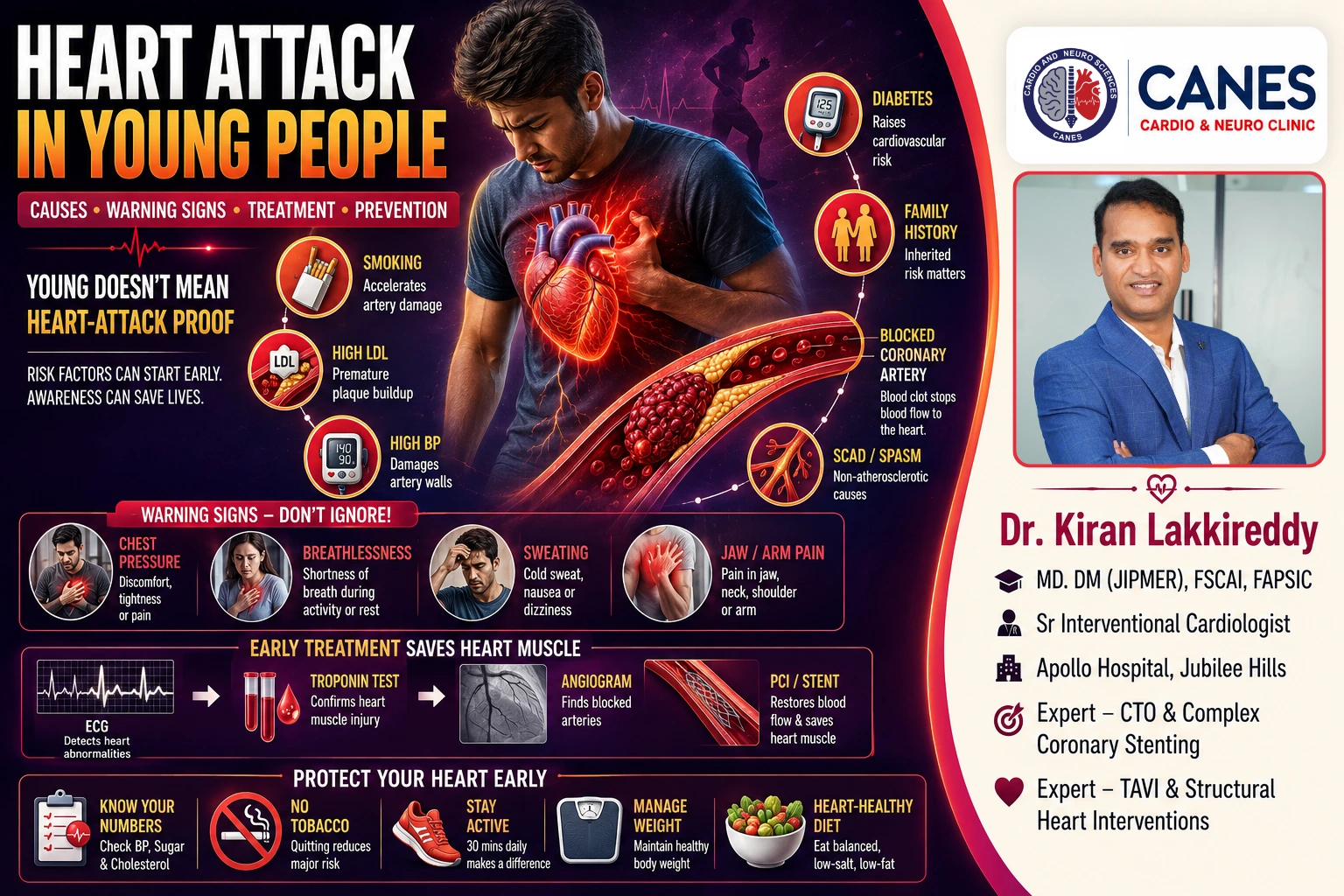
- Chest pressure, tightness, or burning pain.
- Unusual or severe shortness of breath.
- Dizziness, confusion, or feeling faint.
- Unusual palpitations or an irregular rapid heartbeat.
What Is Cardiac Rehabilitation?
Cardiac rehabilitation is a structured, medically supervised program combining supervised exercise, heart-health education, risk-factor management, and emotional support for people recovering from cardiovascular conditions.
Key Takeaway: Cardiac rehabilitation provides a medically supervised environment where patients can rebuild physical confidence after a heart attack, angioplasty, bypass surgery, or heart failure diagnosis.
After a cardiac event, you should not simply return to your previous exercise routine. A rehabilitation program tailors the exercise specifically to your current heart function, surgical healing, and medical limitations.
Myth Versus Fact: Exercise and Heart Health
Understanding the realities of physical activity helps you exercise safely and consistently.
Common Myth | Medical Fact |
Only intense exercise benefits the heart. | Moderate activity, such as brisk walking, provides substantial and proven cardiovascular benefits. |
Exercise is useless without weight loss. | Exercise improves blood pressure, cholesterol, and metabolic health even if substantial weight loss does not occur. |
People with heart disease should avoid exercise. | Many patients with heart disease benefit significantly from medically appropriate physical activity, often through cardiac rehabilitation. |
Exercise replaces my heart medications. | Physical activity complements your prescribed treatment; it never automatically replaces necessary medication. |
If it makes me breathless, something is wrong. | Breathing harder is expected during aerobic activity. Breathlessness that is new, unusually severe, disproportionate to the activity, or accompanied by chest discomfort, dizziness, or fainting warrants medical assessment. |
Actionable Checklist: What Should You Ask Your Cardiologist?
Before starting a new routine, ask your healthcare team these essential questions:
- Is it safe for me to begin exercising, and do I need a cardiac stress test first?
- What specific heart-rate range should I aim for during activity?
- Do my current cardiac medicines affect how my heart rate will respond to exercise?
- Are there any specific exercises (like heavy lifting) that I should avoid?
- Which specific warning symptoms should make me stop exercising immediately?
- Am I a candidate for a medically supervised cardiac rehabilitation program?
Cardiovascular Exercise Guidance at CANES Clinic
The appropriate type and intensity of physical activity depend entirely on the individual. A healthy young adult requires very different guidance from someone managing coronary artery disease, heart failure, or recovering from a heart attack.
At CANES Cardio & Neuro Clinic, patients receive personalized cardiovascular evaluation and understandable guidance regarding heart conditions, risk factors, and safe physical activity.
Guided by Dr. Kiran Lakkireddy, an experienced interventional cardiologist specializing in complex cardiology, the clinic focuses on careful assessment, shared decision-making, and coordination with cardiac rehabilitation teams when indicated.
(Note: A routine clinic appointment is not appropriate for a suspected cardiovascular emergency. Severe chest discomfort, fainting, or marked breathlessness require immediate emergency medical assessment.)
Key Points to Remember
- Exercise strengthens the heart: Regular physical activity trains the cardiovascular system to work more efficiently.
- Benefits beyond fitness: It improves blood pressure, cholesterol, insulin sensitivity, and overall cardiometabolic health.
- Weight loss is not the only metric: Cardiovascular benefits occur even if the number on the scale does not drastically change.
- Walking is excellent exercise: Brisk walking is a highly effective, practical form of moderate-intensity aerobic activity.
- Consistency over intensity: Sustainable physical activity over the long term is far more valuable than occasional, extreme exhaustion.
- Seek guidance when necessary: People with existing cardiovascular disease or concerning symptoms should consult a doctor before starting an exercise program.
- Never ignore warning signs: Stop exercising immediately if you experience chest pain, severe breathlessness, or dizziness.
Frequently Asked Questions (FAQs)