Introduction
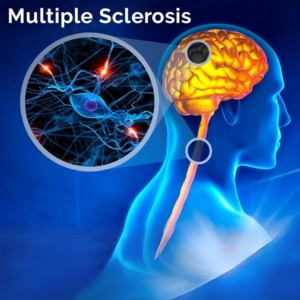
Multiple Sclerosis (MS) is a chronic neurological disorder that affects the central nervous system, including the brain, spinal cord, and optic nerves.
In Multiple Sclerosis, the immune system mistakenly attacks the protective covering of nerve fibers called myelin, disrupting communication between the brain and the rest of the body.
At CANES Cardio & Neuro Clinic, Kondapur, advanced Multiple Sclerosis evaluation and autoimmune neurological care are provided under the expertise of Dr. Soumya Arapreddy, Consultant Neurologist, using modern neurological assessment methods, MRI-based evaluation, and personalized treatment approaches.
The clinic focuses on accurate diagnosis, symptom management, relapse prevention, rehabilitation support, and long-term neurological wellness for patients with demyelinating and autoimmune neurological disorders.
1. What is Multiple Sclerosis?
Multiple Sclerosis is considered an autoimmune demyelinating disorder in which the body’s immune system damages the myelin sheath surrounding nerve fibers.
This damage interferes with normal nerve signal transmission and may lead to a wide range of neurological symptoms affecting movement, sensation, coordination, vision, balance, and cognitive function.
MS symptoms may vary greatly from person to person depending on the location and severity of nerve damage within the central nervous system.
Patients from Kondapur, Gachibowli, Hitech City, Madhapur, Kukatpally, Financial District, and nearby areas frequently seek neurological consultation at CANES Clinic for Multiple Sclerosis treatment and autoimmune neurological disorder management.
2. Symptoms of Multiple Sclerosis
Symptoms of Multiple Sclerosis may occur in episodes or gradually worsen over time depending on disease activity and nerve involvement.
Common symptoms include:
- Weakness in arms or legs
- Numbness or tingling sensation
- Difficulty walking or balancing
- Muscle stiffness and spasms
- Vision problems or blurred vision
- Dizziness and vertigo
- Fatigue
- Difficulty with coordination
- Speech difficulties
- Swallowing problems
- Memory and concentration difficulties
- Electric shock-like sensations
- Balance and gait abnormalities
Symptoms can vary widely depending on the affected areas of the brain, spinal cord, or optic nerves.
3. What Causes Multiple Sclerosis?
Diagnosis involves detailed neurological evaluation and imaging studies to identify demyelination and inflammation within the central nervous system.
Diagnostic evaluation may include:
- Neurological examination
- MRI Brain Scan
- MRI Spine Scan
- Blood investigations
- Lumbar puncture (Spinal fluid analysis)
- Evoked potential studies
- Autoimmune neurological evaluation
Early diagnosis and treatment may help slow disease progression and improve long-term neurological function.
At CANES Cardio & Neuro Clinic, advanced neurological evaluation methods are used for accurate diagnosis and individualized management of Multiple Sclerosis and demyelinating disorders.
4. Diagnosis of Multiple Sclerosis
Diagnosis involves detailed neurological evaluation and imaging studies to identify demyelination and inflammation within the central nervous system.
Diagnostic evaluation may include:
- Neurological examination
- MRI Brain Scan
- MRI Spine Scan
- Blood investigations
- Lumbar puncture (Spinal fluid analysis)
- Evoked potential studies
- Autoimmune neurological evaluation
Early diagnosis and treatment may help slow disease progression and improve long-term neurological function.
At CANES Cardio & Neuro Clinic, advanced neurological evaluation methods are used for accurate diagnosis and individualized management of Multiple Sclerosis and demyelinating disorders.
5. Multiple Sclerosis Treatment
Although Multiple Sclerosis cannot currently be completely cured, treatment focuses on reducing relapses, managing symptoms, slowing disease progression, and improving quality of life.
Treatment options may include:
- Disease-modifying therapies
- Medications to reduce inflammation
- Physical therapy and rehabilitation
- Muscle relaxants
- Symptom management medications
- Lifestyle and nutritional support
- Long-term neurological monitoring
- Relapse prevention strategies
Treatment plans are individualized depending on disease severity, neurological symptoms, and overall health condition.
Dr. Soumya Arapreddy provides personalized neurological care focused on improving mobility, reducing complications, maintaining independence, and supporting long-term neurological wellness.
6. Other Demyelinating Disorders
Several neurological disorders affecting the myelin sheath may show symptoms similar to Multiple Sclerosis.
Acute Disseminated Encephalomyelitis (ADEM)
ADEM is an inflammatory neurological condition in which the immune system attacks the brain and spinal cord, often following infections.
Balo’s Disease (Concentric Sclerosis)
A rare demyelinating disorder considered by some specialists to be a rare variant of Multiple Sclerosis.
Charcot-Marie-Tooth Disease (CMT)
A hereditary neurological disorder affecting peripheral nerves responsible for muscle movement and sensation.
Guillain-Barré Syndrome (GBS)
An autoimmune neurological condition that attacks peripheral nerves and often begins with weakness in the legs.
Neuromyelitis Optica (NMO / Devic’s Disease)
An autoimmune disorder affecting the optic nerves and spinal cord, causing vision problems and weakness.
Schilder’s Disease
A rare demyelinating neurological disorder mainly affecting children and involving extensive myelin damage within the brain.
Accurate neurological evaluation is important for distinguishing these disorders and planning appropriate treatment.
7. Multiple Sclerosis Prevention & Management
Although Multiple Sclerosis may not always be preventable, healthy lifestyle habits and regular neurological care may help support neurological health and reduce complications.
Tips for managing Multiple Sclerosis include:
- Exercise regularly as advised
- Maintain healthy balanced diet
- Avoid smoking and alcohol
- Reduce stress levels
- Get proper rest and sleep
- Attend regular neurological follow-ups
- Take medications regularly
- Stay physically active within comfort limits
- Follow rehabilitation exercises consistently
Early treatment and long-term neurological care may help improve quality of life and functional ability.
8. When Should You Consult a Neurologist?
Neurological consultation is recommended if you experience:
- Persistent numbness or weakness
- Difficulty walking or balancing
- Vision problems
- Frequent dizziness
- Muscle spasms or stiffness
- Coordination difficulties
- Unexplained neurological symptoms
- Electric shock-like sensations
- Sudden neurological episodes
Early neurological evaluation is important for accurate diagnosis and timely treatment.
9. Multiple Sclerosis Treatment in Kondapur
CANES Cardio & Neuro Clinic provides advanced Multiple Sclerosis evaluation and comprehensive neurological care for patients across Kondapur, Gachibowli, Hitech City, Madhapur, Kukatpally, Financial District, and surrounding areas.
The clinic specializes in autoimmune neurological disorders, demyelinating disease management, neuropathy treatment, epilepsy care, movement disorder evaluation, spine-related neurological disorders, and comprehensive neurological consultation using evidence-based neurology approaches.
10. Why Choose CANES Cardio & Neuro Clinic?
Why patients choose CANES Clinic for Multiple Sclerosis treatment:
- Advanced autoimmune neurological evaluation
- MRI-based demyelinating disorder assessment
- Personalized Multiple Sclerosis management
- Comprehensive neurological rehabilitation support
- Long-term neurological monitoring
- Evidence-based neurology care
- Patient-focused treatment planning
- Convenient location in Kondapur
11. About Dr. Soumya Arapreddy
Dr. Soumya Arapreddy
MD, DM Neurology
Consultant Neurologist
Dr. Soumya Arapreddy is a Consultant Neurologist with expertise in Multiple Sclerosis treatment, autoimmune neurological disorders, movement disorders, epilepsy care, migraine management, neuropathy treatment, memory disorders, and various neurological conditions affecting the brain, spine, nerves, and muscles.
She focuses on evidence-based neurological care, accurate diagnosis, and personalized treatment planning using modern neurology approaches and compassionate patient care.
At CANES Cardio & Neuro Clinic, Kondapur, she provides comprehensive neurological care for patients with demyelinating disorders, Multiple Sclerosis, migraine, Parkinson’s disease, epilepsy, neuropathy, spine disorders, and other neurological conditions.
Expertise Areas
- Stroke (Paralysis)
- Migraine
- Headache
- Epilepsy
- Neck / Back Pain
- Neuropathy
- Dementia & Alzheimer’s Disorders
- Parkinson’s Disorders
- Multiple Sclerosis Disorder
- Pediatric Neurology
- CNS Infections
- Motor Neuron Disease
- Neuromuscular Disorders
- Spinal Cord Disorders
- Trigeminal Neuralgia
- Vertigo
9. Frequently Asked Questions