Making the decision to change the way you eat is one of the most powerful choices you can make for your long-term health. However, with so much conflicting nutritional advice available online, figuring out exactly how to start a healthy diet can feel overwhelming. Many people assume that eating well requires restrictive, miserable meal plans or highly expensive specialty foods. The medical reality is actually much simpler.
A healthy diet is not about strict limitations; it is about making sustainable, nutrient-rich choices that fuel your body and actively protect your heart, brain, and vascular system. What you put on your plate every day plays a crucial, direct role in either fueling or preventing chronic illnesses like heart disease, diabetes, and hypertension.
At CANES Cardio & Neuro Clinic, recognized as a leading clinic for advanced cardiovascular care in Hyderabad, we believe in providing our patients with clear, practical, and evidence-based nutritional guidance. Guided by Dr. Kiran Lakkireddy, an experienced and highly trusted cardiologist, our team emphasizes that food is a powerful form of preventive medicine. In this comprehensive guide, we will break down the foundational principles of a healthy diet, explore the highly acclaimed Mediterranean lifestyle, and provide actionable steps to help you protect your health for decades to come.
Quick Answer
Starting a healthy diet involves prioritizing nutrient-dense whole foods like vegetables, fruits, lean proteins, and healthy fats while minimizing processed items, refined sugars, and excess sodium. Adopting a structured pattern like the Mediterranean diet helps prevent chronic diseases by lowering systemic inflammation, optimizing blood pressure, and naturally managing cholesterol levels to shield the cardiovascular system.
What Is a Healthy Diet and Why Is It Important?
A healthy diet is a balanced pattern of eating that provides your body with the essential vitamins, minerals, fiber, and macronutrients it needs to function optimally. It is critically important because consistent, poor dietary choices directly damage blood vessels, increase dangerous cholesterol levels, and lead to chronic, life-threatening diseases.
Key Takeaway: A healthy diet acts as a daily defense system, using nutrients to repair cellular damage and prevent the onset of chronic conditions like obesity, type 2 diabetes, and cardiovascular disease.
Detailed Explanation
To understand why diet is so important, it helps to think of your body as a highly complex engine. If you consistently put low-quality, contaminated fuel into an engine, the internal parts will eventually corrode, sludge will build up in the pipes, and the engine will break down prematurely. Your cardiovascular system operates on the exact same principle.
When you consume a diet high in heavily processed foods, saturated fats, and refined sugars, your body experiences an extended state of inflammation. Over time, this inflammation damages the smooth inner lining of your arteries. Excess cholesterol from unhealthy fats begins to stick to these damaged areas, forming hard plaques that block blood flow—a condition called atherosclerosis. Furthermore, high sodium intake forces your body to retain water, drastically increasing the pressure inside your blood vessels (hypertension).
Conversely, when you learn how to start a healthy diet, you are providing your body with the exact tools it needs to repair this damage. Antioxidants from vegetables reduce inflammation, soluble fiber from whole grains sweeps excess cholesterol out of your digestive tract, and healthy fats keep your blood vessels flexible.
What Are the Core Principles of a Healthy Diet?
The core principles of a healthy diet center on eating unrefined, whole foods in their natural state while maintaining appropriate caloric balance and portion control. This approach ensures your body receives maximum nutritional density with minimal chemical additives, added sugars, or hidden processing fats.
Key Takeaway: Shifting from packaged convenience products to single-ingredient whole foods is the most fundamental step in transitioning to a health-promoting dietary routine.
Detailed Explanation
Transitioning to a healthier lifestyle does not require complex mathematical calculations or calorie tracking. Instead, the focus should rest entirely on food quality and mindful structural choices during your daily routine. A balanced diet incorporates multiple food groups working synergistically to support cellular health.
Rather than looking at food as an enemy, a sustainable approach views nutrition as a way to support longevity. This means proactively choosing foods that are rich in vitamins, minerals, and bioactive compounds. By organizing your meals around fresh vegetables, clean proteins, and natural hydration, you automatically crowd out the inflammatory foods that drive metabolic decline.
What Does a Healthy Diet Plate Look Like?
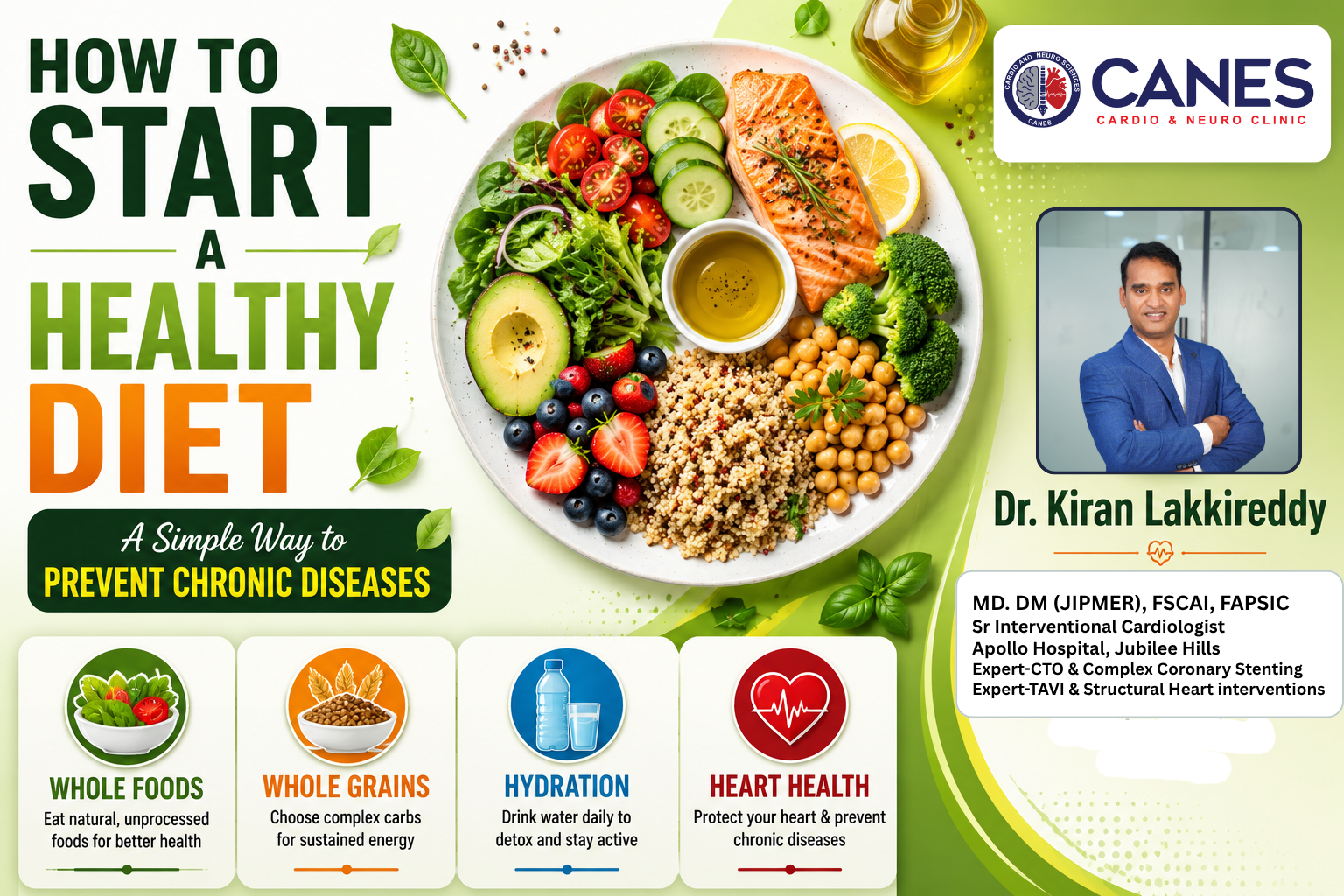
A healthy diet plate visually distributes food groups to maximize nutrient density, filling half the surface with vegetables and fruits, one-quarter with lean proteins, and one-quarter with complex whole grains. This clean, proportional layout guarantees an abundant intake of fiber and micronutrients while naturally regulating caloric intake.
Key Takeaway: Visually managing the proportions of your plate is a simple, highly effective method to maintain portion control and balance your macronutrient intake without weighing your food.
Detailed Explanation
The structure of your plate dictates your glycemic response and metabolic health after a meal. When half your plate consists of non-starchy vegetables, you consume a high volume of food that is low in calories but rich in antioxidants and water. This volume physically fills the stomach, triggering satiety hormones without spiking your blood sugar.
The remaining half of the plate provides the essential building blocks and long-term energy your body needs to thrive. Reserving a quarter for lean protein ensures muscle maintenance and metabolic support without adding heavy saturated fats. The final quarter of whole grains delivers slow-releasing energy, keeping your stamina stable and preventing post-meal fatigue.
The Healthy Diet Plate Proportions
| Plate Portion |
Food Type |
Clinical Benefit |
| 50% of the Plate |
Vegetables & Fruits |
Delivers vital antioxidants, micronutrients, and hydration while keeping caloric density low. |
| 25% of the Plate |
Lean Protein |
Supports tissue repair, maintains muscle mass, and promotes long-term fullness. |
| 25% of the Plate |
Whole Grains |
Provides slow-digesting complex carbohydrates and fiber to prevent blood sugar spikes. |
Why Are Whole Grains Better Than Refined Grains?
Whole grains are superior to refined grains because they retain all three structural components the bran, germ, and endosperm preserving the dietary fiber, B vitamins, and minerals. Refined grains are mechanically stripped of these nutrients, leaving behind simple starches that cause rapid blood sugar surges.
Key Takeaway: Choosing whole grains protects your metabolic system by slowing down digestion, which keeps your insulin levels stable and provides long-lasting physical energy.
Detailed Explanation
When a grain is refined, such as when whole wheat is processed into white flour or white rice, the most nutritious parts are discarded. The removal of the fiber-rich outer bran layer means the remaining starch is digested almost instantly by your body. This rapid breakdown floods your bloodstream with glucose, forcing your pancreas to pump out large amounts of insulin to manage the spike.
Over time, frequent insulin spikes can wear down your cells, leading to insulin resistance and type 2 diabetes. Whole grains like steel-cut oats, brown rice, quinoa, and millet digest at a much slower rate. The intact fiber creates a gel-like barrier in your digestive system, causing glucose to enter your bloodstream gradually. This slow release reduces the workload on your pancreas and keeps your cardiovascular system safe from the inflammatory damage caused by chronic high blood sugar.
Why Is High Sodium Intake Dangerous for the Heart?
High sodium intake is dangerous because it causes your body to retain extra fluid, which increases the total volume of blood pushing through your circulatory system. This increased fluid volume puts continuous mechanical stress on your artery walls, directly causing high blood pressure and escalating the risk of strokes.
Key Takeaway: Reducing dietary sodium protects your heart by lowering blood pressure and reducing the mechanical workload placed on your heart muscle.
Detailed Explanation
Sodium is an essential mineral, but the modern diet contains vastly more salt than the human body requires. When excess sodium accumulates in your bloodstream, your kidneys must hold onto extra water to maintain a proper chemical balance. This expanded fluid volume means your heart has to pump harder to move blood through your body.
Over several years, this high pressure causes the muscular walls of your arteries to become thick and stiff, a process that restricts healthy circulation. This chronic strain can eventually cause the heart muscle to weaken and enlarge, leading to heart failure. Because a significant portion of dietary sodium is hidden inside processed foods, canned items, and restaurant meals, focusing on fresh ingredients and using natural spices is a key method for controlling blood pressure.
What Is Mindful Eating and How Does It Help?
The Mediterranean diet is a highly researched eating pattern based on the traditional lifestyles of countries bordering the Mediterranean Sea, emphasizing whole plant foods, healthy fats, and fish. It is globally recognized by cardiologists as an exceptional dietary strategy for lowering the incidence of cardiovascular events.
Key Takeaway: Rather than a temporary, restrictive diet, the Mediterranean approach is a flexible, lifelong style of eating centered on real, unprocessed ingredients and healthy oils.
Detailed Explanation
When medical professionals discuss how to start a healthy diet, the conversation almost always turns to the Mediterranean model. This pattern does not require you to count macros or eliminate entire food groups. Instead, it guides you to select high-quality, nutrient-dense options within each food category to naturally protect your body.
The absolute foundation of this lifestyle is extra virgin olive oil, which serves as the primary source of monounsaturated fat. Meals are constructed around abundance: a wide variety of fresh vegetables, whole legumes, nuts, seeds, and intact grains. Fish, particularly varieties rich in omega-3 fatty acids like salmon and mackerel, are consumed multiple times a week to support vascular health, while highly processed meats are avoided.
Is the Mediterranean Diet Good for Diabetes?
Yes, the Mediterranean diet is highly effective for managing and preventing type 2 diabetes because its combination of high fiber and healthy monounsaturated fats significantly improves insulin sensitivity. This dietary pattern naturally prevents the sudden glucose spikes associated with refined carbohydrate consumption.
Key Takeaway: The abundant fiber and healthy oils in the Mediterranean diet slow down digestion, helping to maintain stable blood sugar levels and protect pancreatic health.
Detailed Explanation
Type 2 diabetes is fundamentally a disorder of insulin resistance, where your cells lose the ability to efficiently absorb glucose from your blood. The Mediterranean diet combats this issue by replacing simple starches with complex, fiber-rich alternatives. The high volume of legumes, whole grains, and non-starchy vegetables requires extensive digestive processing, which ensures a slow, steady release of sugar into the bloodstream.
Furthermore, the monounsaturated fats found in extra virgin olive oil have been shown to reduce insulin resistance at a cellular level. These healthy fats improve the flexibility of cell membranes, allowing insulin to work more effectively. By reducing systemic inflammation, this diet also helps prevent the microvascular damage to the eyes, kidneys, and nerves that often complicates poorly managed diabetes.
Can a Healthy Diet Reverse High Cholesterol?
Yes, a healthy diet can significantly lower and help manage high cholesterol by reducing saturated fats and introducing soluble fiber, which physically binds to cholesterol in the digestive tract and removes it from the body. While severe genetic cholesterol issues may still require medication, dietary changes are a primary tool for correcting lipid balances.
Key Takeaway: Consuming soluble fiber from foods like oats and beans actively removes excess cholesterol from your body, reducing plaque buildup in your arteries.
Detailed Explanation
Your liver naturally produces cholesterol, but the foods you eat heavily influence your total lipid profile. Diets high in saturated animal fats and trans fats cause the liver to produce excess LDL (low-density lipoprotein) cholesterol, which is the specific type that accumulates inside your arteries to form dangerous blockages.
When you start a diet rich in soluble fiber found in abundance in foods like steel-cut oats, brussels sprouts, apples, and lentils you create a natural filter in your intestines. Soluble fiber dissolves into a gel-like substance that binds to cholesterol molecules, preventing them from being reabsorbed into your bloodstream. This forces your body to excrete the cholesterol, naturally lowering your circulating LDL levels and reducing your long-term risk of a heart attack.
What Foods Should Be Avoided Completely?
While moderation is key for most foods, artificial trans fats, highly processed meats with chemical preservatives, and beverages with high amounts of added sugars should be avoided as much as possible. These specific items cause rapid arterial inflammation, raise bad cholesterol, and negatively impact metabolic health.
Key Takeaway: Eliminating trans fats, commercial sodas, and processed meats removes the most common dietary triggers of heart disease and vascular damage.
Detailed Explanation
Certain industrial ingredients are so disruptive to human physiology that minimizing them is essential for preventing chronic conditions. Artificial trans fats, often listed on ingredient labels as “partially hydrogenated oils,” are chemically altered structures that significantly raise your LDL (bad) cholesterol while simultaneously lowering your HDL (good) cholesterol.
Processed meats, such as commercial sausages, bacon, and packaged deli slices, contain high concentrations of sodium and chemical nitrates. These preservatives damage the endothelial lining of your blood vessels, making them more prone to stiffening and plaque accumulation. Similarly, sugar-sweetened beverages flood the liver with fructose, a process that can trigger non-alcoholic fatty liver disease and visceral fat accumulation around your internal organs.
How Long Does It Take to See Results From a Healthy Diet?
Some metabolic improvements, like stabilized blood sugar and improved digestion, happen within days, while noticeable changes in blood pressure, cholesterol levels, and sustainable weight loss typically take 4 to 12 weeks of consistent eating. Long-term protection against chronic disease accumulates over months and years of maintenance.
Key Takeaway: Early physical benefits appear quickly, but shifting your clinical laboratory markers like cholesterol and blood pressure requires roughly two to three months of consistent dietary habits.
Detailed Explanation
The human body adapts to nutritional shifts in stages. Within the first week of reducing processed sugars and increasing your water intake, you will likely experience a stabilization of your daily energy levels and a noticeable reduction in fluid retention. Your digestive tract also responds rapidly to increased dietary fiber, improving bowel regularity and reducing systemic bloating.
However, cellular changes and lipid modifications take longer. Red blood cells live for about 120 days, meaning markers like HbA1c (which tracks average blood sugar) require three full months to reflect your new habits. Similarly, allowing your liver to recalibrate its cholesterol production and giving your blood vessels time to relax and lower blood pressure requires a sustained, multi-week effort. Consistency over time is what transforms these temporary shifts into lasting protection against chronic disease.
The Healthy Diet Starter Checklist
To transition from theory to practical action, you do not need to rewrite your entire menu in a single day. Adopting actionable, small changes allows your lifestyle to shift permanently without causing frustration.
Use this structured starter checklist to guide your daily food choices:
Switch to Pure Water: Replace all sugar-sweetened sodas, packed commercial juices, and sweet teas with plain water or unsweetened herbal infusions.
Apply the Half-Plate Rule: Ensure that at least half of your plate during lunch and dinner is covered with non-starchy vegetables or fresh greens.
Audit Your Pantry Grains: Swap out all refined white rice, white flour pasta, and white bread for whole options like brown rice, oats, or quinoa.
Incorporate Fatty Fish: Schedule a minimum of two meals per week centered around fish rich in omega-3s, such as salmon or mackerel, or clean plant proteins like lentils.
Upgrade Your Cooking Oil: Eliminate refined vegetable or palm oils and establish extra virgin olive oil as your primary fat for cooking and salad dressings.
Practice the Screen Curfew: Turn off the television, put away your smartphone, and sit at a table during meals to ensure you eat mindfully.
When Should You Seek Medical Attention for Your Diet?
You should seek professional medical advice regarding your diet if you have been diagnosed with high blood pressure, elevated cholesterol, pre-diabetes, or if you have a strong family history of early cardiovascular disease. While general dietary changes are safe for everyone, existing medical conditions require precise, tailored nutritional management.
Key Takeaway: Food is medicine, and if you are managing a chronic illness, a specialized clinical team must help you adjust your diet to ensure it safely complements your prescribed medications.
Detailed Explanation
While the principles outlined in this guide are universally beneficial, it is crucial to remember that a healthy diet must be personalized. Finding a balance that works for your unique physiology, cultural preferences, and lifestyle is key to sustainability.
You should absolutely consult with an experienced medical professional, such as a cardiologist or a registered dietitian, if you experience any of the following clinical indicators:
Lab Results: Your recent blood work shows high LDL cholesterol, high triglycerides, or elevated fasting blood sugar levels.
Blood Pressure: You consistently measure your blood pressure above the normal range (120/80 mmHg).
Physical Symptoms: You experience chronic, unexplainable fatigue, frequent chest discomfort, or severe shortness of breath during light physical exertion.
Family History: You have a parent or sibling who suffered a heart attack or stroke before the age of 60.
A healthcare professional can provide tailored, structured guidance to help seamlessly incorporate the Mediterranean diet into your specific lifestyle, taking into account any medications you may currently be taking.
Advanced Preventive Cardiology at CANES Clinic
Changing your lifelong eating habits can feel like a daunting task, but you do not have to navigate it alone. At CANES Cardio & Neuro Clinic, we believe that proactive, preventive care is the absolute best way to ensure a long, vibrant life. We understand that every patient’s body is different, and we prioritize personalized, conversational patient education.
Guided by Dr. Kiran Lakkireddy, a highly experienced specialist in comprehensive cardiac care, our clinic offers advanced cardiovascular screenings to assess exactly how your current lifestyle is impacting your heart. By utilizing state-of-the-art diagnostic imaging and detailed blood panels, we can help you create a highly targeted, medically sound dietary plan to lower your risks and heal your blood vessels. If you are ready to take control of your nutritional health and prevent chronic disease, scheduling a comprehensive preventive evaluation is your first step.
Key Points to Remember
Focus on Whole Foods: A healthy diet prioritizes fruits, vegetables, whole grains, and lean proteins while strictly limiting packaged, heavily processed foods.
The Mediterranean Advantage: The Mediterranean diet is globally recognized as a premier eating pattern for protecting heart health, focusing heavily on olive oil, fish, and plant-based fiber.
Hydration and Sodium: Drinking adequate water and reducing hidden sodium (salt) are critical daily habits for maintaining healthy blood pressure.
Mindful Consumption: Slowing down, eating without digital distractions, and practicing portion control are just as important as the specific foods you choose to eat.
Personalized Care: Always consult with a specialized medical provider to tailor dietary changes to your specific health conditions and metabolic needs.
Frequently Asked Questions (FAQs)