What Is Motor Neurone Disease? Understanding the Causes, Symptoms, Diagnosis, and Treatment
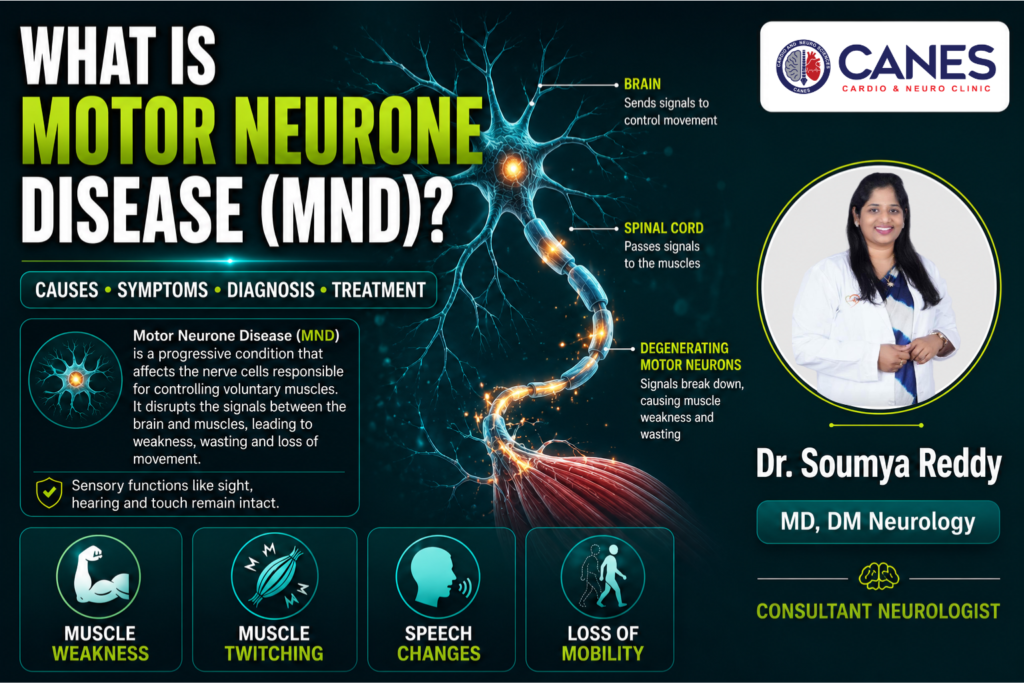
● Lifestyle & Prevention What Is Motor Neurone Disease? Understanding the Causes, Symptoms, Diagnosis, and Treatment Table of Contents Introduction 1. What Is Motor Neurone Disease? 2. Is MND the Same as ALS? 3. What Are the First Signs of MND? 4. When Should You Seek Medical Attention for Possible MND? 5. Why Does MND Cause Muscle Weakness? 6. What Causes MND? 7. Is MND Hereditary? 8. How Is MND Diagnosed? 9. Can MND Be Prevented or Cured? 10. How Long Can Someone Live With MND? FAQs Book a Consultation Prevention is better than cure. Talk to our specialists today. Book Now Experiencing unexplained muscle weakness, muscle twitching, or subtle changes in speech can be deeply concerning. The human nervous system relies on a continuous, uninterrupted exchange of electrical signals to coordinate everyday actions. When these communication pathways begin to degrade, simple tasks like gripping an object or walking on a flat surface can become increasingly difficult. Securing a comprehensive evaluation from a medical professional is the most critical step in identifying the root cause of these neurological changes and establishing an evidence-based management plan. Quick Answer : Motor Neurone Disease (MND) is a progressive neurodegenerative disorder that systematically destroys the nerve cells responsible for voluntary muscle movement. The condition interrupts the electrical signals between the brain and muscles, leading to muscle wasting, weakness, loss of mobility, and eventual respiratory challenges. While there is currently no cure, advanced diagnostics and multidisciplinary care significantly improve symptom management and quality of life. 1. What Is Motor Neurone Disease? Motor Neurone Disease (MND) is a group of progressive neurological disorders that selectively destroy motor neurons, the specialized nerve cells controlling voluntary muscle movements. As these neurons degenerate, the brain loses its ability to communicate with muscles, resulting in muscle weakness, wasting (atrophy), and difficulties with speaking, swallowing, and breathing. Key Takeaway: Motor Neurone Disease targets the nerve cells that control voluntary movement, cutting off communication between the brain and the muscular system, while leaving sensory functions like sight and touch intact. 1. Detailed Explanation To understand this neurodegenerative disorder, it helps to examine the anatomy of the nervous system. Voluntary movements such as walking, lifting objects, and talking require a two-part nerve pathway: Upper Motor Neurons: These cells are located in the brain and send electrical instructions down through the spinal cord. Lower Motor Neurons: These cells accept the signals in the spinal cord and extend outward to directly stimulate muscle tissue. In an individual with Motor Neurone Disease, both upper and lower motor neurons gradually break down and die. When these cells degenerate, the vital electrical messages can no longer span the anatomical gap. Starved of stimulation, the muscles begin to weaken and naturally shrink over time. Crucially, because MND specifically attacks motor pathways, the sensory nervous system remains fully functional; a patient’s ability to see, hear, smell, taste, and feel physical touch on the skin is entirely preserved. 2. Is MND the Same as ALS? Amyotrophic Lateral Sclerosis (ALS) is the most common and widespread form of Motor Neurone Disease, but it is not the only type. While the terms are often used interchangeably in casual conversation or general media, MND is the broader umbrella medical classification that includes several other distinct neurological variants. Key Takeaway: ALS is a specific type of Motor Neurone Disease that damages both upper and lower motor neurons, representing the vast majority of all global MND diagnoses. 1. Detailed Explanation In medical terms, Motor Neurone Disease acts as a category heading. Amyotrophic Lateral Sclerosis accounts for approximately 85% to 90% of all cases within this category. In ALS, the degeneration occurs simultaneously in both the upper motor neurons of the brain and the lower motor neurons of the spinal cord, leading to widespread physical weakness that affects the limbs, speech, and respiratory system. However, other variants exist depending on which specific parts of the motor pathway are affected. To understand the different types of conditions that fall under the MND umbrella, review the clinical comparison table below: MND Classifications: ALS vs. PLS vs. PMA vs. PBP Feature Amyotrophic Lateral Sclerosis (ALS) Primary Lateral Sclerosis (PLS) Progressive Muscular Atrophy (PMA) Progressive Bulbar Palsy (PBP) Neurons Affected Both Upper and Lower Upper Motor Neurons only Lower Motor Neurons only Brainstem Bulbar Neurons Primary Symptoms Muscle weakness, wasting, and stiffness Extreme muscle stiffness, slow movement, spasticity Muscle wasting, weakness, and deep twitching Difficulty speaking, slurred speech, choking Onset Location Usually limbs (arms or legs) Usually begins in both legs Usually begins in hands or feet Muscles of the throat and tongue Progression Rate Rapid to moderate Slow, non-fatal variant Slower progression than ALS Rapid, affects breathing early 3. What Are the First Signs of MND? The first signs of Motor Neurone Disease typically manifest as mild, painless, and asymmetrical muscle weakness, such as an unstable hand grip, frequent tripping, or slurred speech. Because these initial physical changes develop gradually, they are frequently mistaken for minor nerve compressions, fatigue, or normal signs of aging. Key Takeaway: Early signs of MND are usually subtle and localized, often presenting as a weak grip in one hand, foot drop in one leg, or minor changes in vocal clarity. 1. Detailed Explanation Because the early signs of motor neurone disease are painless and isolated, many individuals do not immediately recognize the need for a neurological assessment. Clinical observation shows that symptoms usually begin in one of three distinct anatomical regions: The Arms (Limb Onset): Patients may notice an unexpected weakness in their dominant hand. Everyday fine motor tasks, such as fastening buttons, turning keys, opening jars, or writing legibly, become increasingly challenging. The Legs (Limb Onset): Weakness often presents as “foot drop,” where the muscles responsible for lifting the front of the foot weaken. This causes the toes to drag on the ground, leading to unexplainable stumbling or tripping over completely flat surfaces. The Throat and Mouth (Bulbar Onset): The muscles controlling speech and swallowing are affected first. A patient’s voice may sound
Why Headaches Increase in Summer: Symptoms, Causes, and Prevention Tips
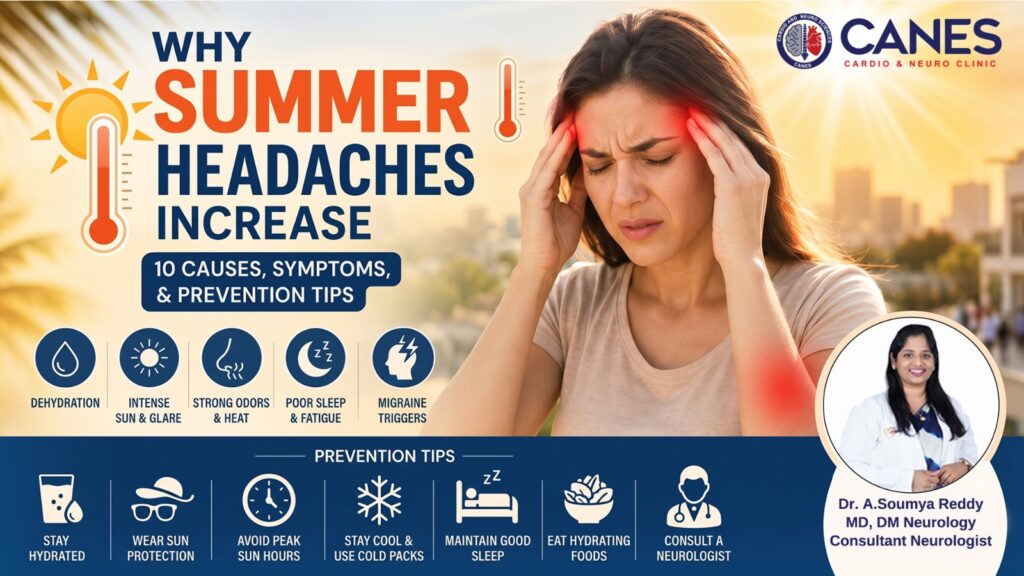
● Lifestyle & Prevention Why Headaches Increase in Summer: Symptoms, Causes, and Prevention Tips Table of Contents Introduction 1. The Biological Catalyst: Why Do Summer Headaches Increase? 2. Migraine in Summer: Specific Triggers to Watch 3. The Hidden Culprit: Sleep Disruption and Brain Health 4. Heatstroke vs. Headache: Knowing the Critical Difference 5. Special Populations at Risk: Children and the Elderly 6. Nutritional Defense: Best Foods for Hydration 7. 7 Comprehensive Prevention Strategies When to See the Best Neurologist in Hyderabad FAQs Book a Consultation Prevention is better than cure. Talk to our specialists today. Book Now As the scorching sun takes its toll on the landscape, many individuals notice a distressing physical trend: their head pain becomes more frequent, more intense, and harder to manage. If you find yourself reaching for analgesics more often during the warmer months, you are likely dealing with the biological reality of summer headaches. This seasonal spike in neurological discomfort is not merely a coincidence; it is a complex physiological response to environmental stressors that tax the human nervous system. At CANES Cardio & Neuro Clinic, recognized as the leading neuro clinic in Hyderabad, we observe a significant influx of patients seeking relief during the peak of the heatwave season. Guided by Dr. Soumya Reddy, widely regarded as the best neurologist in Hyderabad, our team specializes in identifying these seasonal triggers and providing comprehensive, evidence-based management strategies. This guide serves as an exhaustive resource to help you understand the science of heat-induced pain and how to protect your brain health. 1. The Biological Catalyst: Why Do Summer Headaches Increase? The human brain is an incredibly sensitive organ that thrives on homeostasis a stable, internal equilibrium. When the external temperature climbs, the body must initiate several aggressive cooling mechanisms to protect vital organs. For individuals prone to neurological sensitivities, these cooling processes can inadvertently trigger pain pathways. Understanding how sleep disorders affect brain health or how vascular changes impact head pain is the first step toward effective management. 1. The Vascular Response: Vasodilation and Pressure One of the primary reasons for a headache due to heat is the expansion of blood vessels. When the body gets hot, the brain signals the blood vessels to dilate (widen) to release heat through the skin. This process, known as vasodilation, increases blood flow significantly. In the confined space of the skull, this increased volume can put mechanical pressure on sensitive nerve endings, resulting in a throbbing, pulsating sensation common in a heatwave headache. 2. Dehydration and the “Brain Shrink” Phenomenon A dehydration headache is perhaps the most frequent summer ailment. When you lose fluids through sweat without adequate replacement, your blood volume drops, and your electrolyte levels (sodium, potassium, and magnesium) become imbalanced. In extreme cases, the brain tissue can actually lose enough fluid to temporarily shrink and pull away from the skull. This physical tension triggers pain receptors, often resulting in a dull, heavy ache that worsens with movement. 2. Migraine in Summer: Specific Triggers to Watch For those who suffer from chronic migraines, the summer months can be a “perfect storm” of triggers. A migraine in summer is often more severe because the environmental changes act as a force multiplier for existing neurological vulnerabilities. Patients with chronic migraines may benefit from a specialized neurological evaluation at our Kondapur facility. High Intensity Sun Glare Bright sunlight is a powerful primary trigger for summer migraine triggers. The intense glare from the sun, or even light reflecting off glass buildings and car windshields, can overstimulate the optic nerve. This overstimulation travels to the thalamus—the brain’s relay center—which then activates the trigeminal nerve system, the main pain pathway for migraines. Pungent Odors and Heat Heat has a way of intensifying smells. Whether it is the scent of melting asphalt, strong perfumes, or chlorine from a swimming pool, these odors become more volatile in high temperatures. For many, these intensified scents are enough to trigger a full-blown migraine attack, accompanied by nausea and sensory sensitivity. 3. The Hidden Culprit: Sleep Disruption and Brain Health The relationship between temperature and sleep is critical to neurological stability. The brain requires a slight drop in core body temperature to initiate deep, restorative REM sleep. During hot summer nights, the body struggles to reach this cooling threshold, leading to fragmented, poor-quality rest. Chronic sleep disruption leads to a lower pain threshold. When the brain does not get enough rest, it becomes “hyper-excitable,” meaning it overreacts to minor stimuli that it would normally ignore. This creates a vicious cycle: the heat prevents sleep, and the lack of sleep makes you more susceptible to a heat headache the following morning. Proper headache treatment often begins with stabilizing these sleep-wake cycles. 4. Heatstroke vs. Headache: Knowing the Critical Difference It is vital to distinguish between a common heatwave headache and the much more dangerous condition of heatstroke. Heatstroke is a life-threatening medical emergency where the body’s internal cooling system fails completely. Feature Summer Headache Heatstroke (Emergency) Pain Level Throbbing or dull ache Sudden, severe, “thunderclap” pain Skin State Sweaty and warm Hot, dry, or red (no sweating) Mentation Clear, though irritable Confused, disoriented, or delirious Body Temp Usually normal High (above 104°F / 40°C) Other Signs Mild nausea Seizures, fainting, or vomiting 5. Special Populations at Risk: Children and the Elderly While summer headaches can affect anyone, two groups are particularly vulnerable due to their body’s limited ability to regulate temperature. Risks for Children Children have a higher surface-area-to-mass ratio than adults, meaning they absorb heat from the environment much faster. Furthermore, their sweat glands are not as efficient as an adult’s. Children often forget to hydrate while playing, leading to a rapid-onset dehydration headache. Parents should watch for unusual irritability or lethargy in their children during the summer months. Risks for the Elderly As we age, our bodies become less efficient at sensing thirst and regulating temperature. Many elderly individuals also take medications for blood pressure or heart health that can increase the risk of dehydration.
Fits (Epilepsy): Symptoms, Types, Causes & Treatment Options

● Lifestyle & Prevention Fits (Epilepsy): Symptoms, Types, Causes & Treatment Options Table of Contents Introduction 1. What Are Fits (Epilepsy)? 2. Recognizing the Critical Symptoms 3. Understanding the Different Types of Seizures 4. What Causes Fits (Epilepsy)? Advanced Diagnosis and Treatment at CANES Clinic FAQs Book a Consultation Prevention is better than cure. Talk to our specialists today. Book Now Experiencing or witnessing a seizure can be one of the most frightening medical events imaginable. When the brain’s electrical signals suddenly misfire, it can cause unpredictable physical and mental disruptions. If you are searching for clarity on Fits (Epilepsy), you are taking the essential first step toward regaining control of your neurological health. At CANES Cardio & Neuro Clinic, widely recognized as the best heart and brain clinic in Hyderabad, we believe that proper education drastically reduces the fear surrounding neurological disorders. Guided by Dr. Soumya Reddy, a top neurologist in Hyderabad, our team specializes in the precise diagnosis and long-term management of complex seizure disorders. In this comprehensive guide, we will break down exactly what Fits (Epilepsy) are, the critical warning symptoms, the various types of seizures, underlying causes, and the modern medical treatments available today. 1. What Are Fits (Epilepsy)? To understand Fits (Epilepsy), we have to look at how the human brain communicates. Your brain consists of billions of nerve cells (neurons) that communicate through tiny, synchronized electrical impulses. Epilepsy is a central nervous system (neurological) disorder in which this normal brain activity becomes suddenly abnormal. During an episode, there is a sudden, intense burst of electrical energy in the brain. This electrical storm temporarily disrupts how the brain works, leading to seizures (fits), unusual behavior, strange sensations, and sometimes a complete loss of awareness. 2. Recognizing the Critical Symptoms Because epilepsy is caused by abnormal activity in the brain, seizures can affect any process your brain coordinates. The symptoms of Fits (Epilepsy) vary wildly depending on the specific type of seizure, but they usually remain consistent for a patient from one episode to the next. Common warning signs and symptoms include: 1. Temporary Confusion: A sudden inability to focus or a feeling of being “lost” in a familiar place. 2. A Staring Spell: Looking blankly into space and becoming unresponsive to voices or movement. 3. Uncontrollable Jerking Movements: Rhythmic, violent twitching of the arms and legs. 4. Loss of Consciousness: Falling to the ground or completely blacking out for several minutes. 5. Stiff Muscles: The body becoming suddenly and intensely rigid. 6. Psychological Symptoms: Experiencing sudden, unprovoked fear, extreme anxiety, or an intense feeling of déjà vu just before a physical fit occurs. 3. Understanding the Different Types of Seizures Doctors classify seizures into two major groups based on how the abnormal brain activity begins. 1. Focal Seizures These occur when the electrical storm is confined to just one area of the brain. Focal seizures without loss of consciousness: These may alter emotions or change the way things look, smell, feel, or sound, but you remain awake. Focal seizures with impaired awareness: These involve a change or loss of consciousness. You may stare into space and not respond normally to your environment or perform repetitive movements, like hand rubbing or swallowing. 2. Generalized Seizures These seizures seemingly involve all areas of the brain right from the onset. 1. Absence Seizures: Previously known as petit mal seizures, these often occur in children and are characterized by staring into space or subtle body movements like eye blinking. 2. Tonic-Clonic Seizures: Previously known as grand mal seizures, these are the most dramatic type. They can cause an abrupt loss of consciousness, body stiffening and shaking, and sometimes loss of bladder control. 3. Atonic Seizures: Also known as drop seizures, these cause a sudden loss of muscle control, often resulting in sudden collapses or falls. 4. What Causes Fits (Epilepsy)? For about half the people with the condition, there is no identifiable cause (idiopathic epilepsy). For the other half, Fits (Epilepsy) may be traced to various factors: 1. Genetic Influence: Some types of epilepsy run in families, suggesting a strong genetic link to the disorder. 2. Head Trauma: A severe injury to the brain as a result of a car accident or other traumatic events can trigger the onset of seizures. 3. Brain Conditions: Damage to the brain caused by tumors or prior strokes is a leading cause of epilepsy in adults over age 35. 4 Infectious Diseases: Infections such as meningitis, viral encephalitis, or neurocysticercosis can cause severe brain inflammation leading to fits. 5. Prenatal Injury: Brain damage occurring before birth due to an infection in the mother, poor nutrition, or oxygen deficiencies. Advanced Diagnosis and Treatment at CANES Clinic An accurate diagnosis is the cornerstone of effective treatment. When you visit a top neurologist in Hyderabad like Dr. Soumya Reddy, your evaluation will typically include a high-resolution MRI to check for brain lesions and an Electroencephalogram (EEG) to record your brain’s electrical pathways. Once diagnosed, the treatment for Fits (Epilepsy) is highly effective. 1. Anti-Epileptic Drugs (AEDs): The majority of patients can become completely seizure-free by taking a single anti-seizure medication daily. 2. Vagus Nerve Stimulation: For those who don’t respond to medication, a device can be implanted under the skin to send electrical energy to the brain and reduce seizures. 3. Dietary Therapy: A strict ketogenic diet (high in fats and low in carbohydrates) has shown massive success in reducing seizure frequency, especially in children. You do not have to let epilepsy define your life. At the best heart and brain clinic in Hyderabad, we provide compassionate, cutting-edge care to help you achieve a seizure-free life. 📍 Location: 3rd Floor, Tapasavi Commercial Complex, Hi-Tension Rd, Kondapur, Hyderabad 📞 Call Us: +91 9014944654 🌐 Book an Appointment: https://canesclinic.com/ Frequently Asked Questions (FAQs) Q: Can you live a normal life with fits (epilepsy)?A: Absolutely; with proper daily medication, lifestyle management, and routine neurological care, the vast majority of patients live completely active, normal, and unrestricted lives. Q:
How Sleep Disorders Affect Brain Health: Causes, Symptoms & Prevention Tips

● Lifestyle & Prevention How Sleep Disorders Affect Brain Health: Causes, Symptoms & Prevention Tips Table of Contents Introduction 1. The Science: How Sleep Disorders Affect Brain Health 2. Key Symptoms of Sleep-Related Brain Strain 3. Common Causes of Sleep Disorders 4. 7 Prevention Tips for Better Sleep 4. World-Class Neurological Care at CANES Clinic FAQs Book a Consultation Prevention is better than cure. Talk to our specialists today. Book Now We all know the groggy, irritable feeling that follows a bad night of sleep. However, chronic sleep deprivation is far more dangerous than just feeling tired the next day. If you are consistently struggling to fall asleep, stay asleep, or wake up feeling rested, you might be asking: exactly how sleep disorders affect brain health over the long term? The truth is, sleep is not a passive state where your brain just “shuts off.” It is an incredibly active period of neurological maintenance, cellular repair, and memory consolidation. When this cycle is disrupted, the cognitive consequences can be severe. At CANES Cardio & Neuro Clinic, recognized as a top-tier heart and brain clinic in Hyderabad, we treat sleep not as a luxury, but as a critical medical necessity. Guided by Dr. Soumya Reddy, a leading neurologist in Hyderabad, our team specializes in identifying how poor sleep damages the nervous system and how to reverse it. In this complete guide, we will explore how sleep disorders affect brain health, the major symptoms to watch for, and the best prevention tips. 1. The Science: How Sleep Disorders Affect Brain Health To understand the damage, we must look at what happens in a healthy brain during deep sleep. During the night, your brain activates the glymphatic system a microscopic waste-clearance network. This system flushes out toxic byproducts that accumulate during waking hours, including a protein called amyloid-beta, which is heavily linked to Alzheimer’s disease. When you suffer from insomnia, sleep apnea, or frequent wakefulness, this biological “cleaning cycle” is interrupted. Toxins build up, brain cells become inflamed, and the communication pathways between neurons begin to break down. This is the primary mechanism of how sleep disorders affect brain health, leading to accelerated cognitive decline and an increased risk of neurodegenerative diseases. 2. Key Symptoms of Sleep-Related Brain Strain How do you know if your brain is suffering from a lack of quality rest? The neurological symptoms of a sleep disorder often manifest during your waking hours: 1. Severe Brain Fog: A persistent inability to focus, concentrate, or process complex information at work or school. 2. Memory Impairment: Difficulty forming new memories or recalling short-term information, as sleep is when the brain permanently files away your daily experiences. 3. Emotional Instability: Heightened anxiety, sudden mood swings, or symptoms of depression, as the brain’s emotional regulation centers become hyperactive. 4. Slower Reaction Times: A dangerous delay in physical and mental reflexes, which can make driving or operating machinery hazardous. 5. Chronic Morning Headaches: Waking up with a dull, throbbing headache is a classic neurological sign of poor sleep quality or sleep apnea. 3. Common Causes of Sleep Disorders Understanding the root cause is essential for effective treatment. The most frequent culprits include: 1. Obstructive Sleep Apnea (OSA): A dangerous condition where the airway repeatedly collapses during sleep, cutting off oxygen to the brain and causing micro-awakenings hundreds of times a night. 2. Chronic Insomnia: Often driven by generalized anxiety, chronic stress, or an overactive nervous system that refuses to transition into a resting state. 3. Circadian Rhythm Disruptions: Shift work, frequent jet lag, or extreme late-night screen time can completely derail the brain’s natural internal clock. 4. Restless Legs Syndrome (RLS): A neurological condition that causes an irresistible, uncomfortable urge to move the legs, preventing the onset of deep sleep. 4. 7 Prevention Tips for Better Sleep Fortunately, you can actively protect your neurological health by practicing strict “sleep hygiene.” A leading neurologist in Hyderabad will typically recommend these 7 prevention strategies: 1. Enforce a Strict Sleep Schedule: Go to bed and wake up at the exact same time every day, even on weekends, to stabilize your circadian rhythm. 2. Implement a Digital Curfew: Turn off all blue-light-emitting screens (phones, TVs, tablets) at least one hour before bed, as blue light suppresses melatonin production. 3. Optimize Your Environment: Keep your bedroom pitch black, perfectly quiet, and cool (around 65°F or 18°C) to signal to your brain that it is time to hibernate. 4. Limit Late-Day Stimulants: Cut off all caffeine consumption by 2:00 PM and avoid heavy alcohol use before bed, as alcohol completely destroys deep REM sleep. 5. Exercise Consistently: Engaging in 30 minutes of cardiovascular exercise during the day dramatically improves your ability to fall asleep at night. 6. Practice Decompression: Spend the last 30 minutes of your day doing a calming activity, such as reading a physical book, gentle stretching, or deep breathing exercises. 7. Do Not Ignore Snoring: If you snore loudly or wake up gasping for air, seek a medical sleep study immediately to rule out sleep apnea. World-Class Neurological Care at CANES Clinic Do not wait until your memory begins to slip to take your sleep seriously. At CANES Cardio & Neuro Clinic, a top-tier heart and brain clinic in Hyderabad, we use advanced diagnostics like EEG (Electroencephalogram) and overnight sleep studies to monitor your brainwaves and identify exactly what is disrupting your rest. Protect your brain today for a healthier tomorrow. 📍 Location: 3rd Floor, Tapasavi Commercial Complex, Hi-Tension Rd, Kondapur, Hyderabad 📞 Call Us: +91 9014944654 🌐 Book an Appointment: https://canesclinic.com/ Frequently Asked Questions (FAQs) Q: Can a lack of sleep permanently damage my brain?A: Yes, chronic, long-term sleep deprivation can lead to irreversible loss of brain volume (shrinkage) and significantly increases your lifelong risk of developing dementia and Alzheimer’s disease. Q: How many hours of sleep does the brain actually need?A: Most healthy adults require between 7 to 9 hours of continuous, uninterrupted sleep per night for the brain to complete all of its
How to Prevent Back Pain: A Complete Guide for All Ages

● Lifestyle & Prevention How to Prevent Back Pain: A Complete Guide for All Ages Table of Contents Introduction 1. Optimize Your Posture for Spinal Alignment 2. Master Proper Lifting Techniques 3. Strengthen Your Core Muscles 4. Evaluate Your Sleep Setup 5. Choose Supportive Footwear 6. Maintain a Healthy Weight 7. Stay Hydrated and Eat for Bone Health When to See the Top Neurologist in Hyderabad When to See the Top Neurologist in Hyderabad Expert Spinal Care at CANES Clinic FAQs Book a Consultation Prevention is better than cure. Talk to our specialists today. Book Now Back pain is one of the most common medical complaints worldwide, affecting people from young students to active seniors. Whether it is a dull ache after a long day at a desk or a sharp jab after lifting a heavy box, the discomfort can be debilitating. If you are searching for practical solutions on how to prevent back pain, you have come to the right place. At CANES Cardio & Neuro Clinic, recognized as the leading heart and brain clinic in Hyderabad, we believe that spinal health is a pillar of overall neurological well-being. Guided by Dr. Soumya Reddy, a top neurologist in Hyderabad, our team specializes in diagnosing the root causes of nerve and spinal discomfort. In this complete guide, we will explore 7 proven tips to safeguard your spine and keep you moving pain-free through every stage of life. 1. Optimize Your Posture for Spinal Alignment The way you sit, stand, and move determines the amount of stress placed on your vertebrae and discs. Poor posture is the primary cause of chronic strain. When you slouch, the natural curves of your spine are flattened or exaggerated, leading to muscle fatigue and pinched nerves. To practice good posture: Keep your ears aligned with your shoulders. Avoid “text neck” by bringing your mobile devices up to eye level. When standing, keep your weight even on both feet and your core slightly engaged. Understanding how your daily setup affects your back is essential. Use the interactive tool below to see how adjusting your workspace can reduce spinal stress. Interactive Spine Stress Visualizer Explore how different posture variables impact your spinal health. Adjust the sliders to see how your neck tilt and back alignment increase or decrease pressure on your vertebrae. 2. Master Proper Lifting Techniques One of the most frequent reasons people visit a top neurologist in Hyderabad is for sudden “slipped” or herniated discs caused by improper lifting. Whether you are picking up a toddler or a heavy grocery bag, your technique matters. How to prevent back pain during lifting: 1. Bend your knees, not your waist: Use the power of your legs, not your lower back. 2. Keep the load close: The further an object is from your body, the more stress it puts on your spine. 3. Avoid twisting: Never rotate your torso while carrying a heavy weight; move your feet instead. 3. Strengthen Your Core Muscles Think of your core the muscles in your abdomen and lower back as a natural corset for your spine. When these muscles are weak, your spinal column has to bear the entire weight of your torso. Regular core-strengthening exercises, such as planks or bridges, help distribute weight evenly and protect the delicate discs between your vertebrae. 4. Evaluate Your Sleep Setup We spend nearly a third of our lives sleeping, yet many ignore how their bed affects their back. A mattress that is too soft will cause your spine to sag, while one that is too hard can create painful pressure points. 1. Side Sleepers: Place a pillow between your knees to keep your hips level. 2. Back Sleepers: Place a small pillow under your knees to maintain the natural curve of your lower back. 3. Stomach Sleepers: This is generally discouraged as it strains the neck and back, but a flat pillow under the pelvis can help if you cannot change positions. 5. Choose Supportive Footwear Believe it or not, your choice of shoes can impact your back. High heels shift your center of gravity forward, forcing your lower back to arch unnaturally. On the other hand, completely flat shoes with no arch support can cause issues with your gait that radiate up to your spine. Aim for supportive shoes with a slight heel or good cushioning for daily use. 6. Maintain a Healthy Weight Carrying excess weight, particularly around the midsection, pulls your pelvis forward and puts constant strain on the lower back (the lumbar region). Maintaining a healthy weight through a balanced diet and regular movement is one of the most effective long-term strategies for how to prevent back pain. 7. Stay Hydrated and Eat for Bone Health Your spinal discs are made mostly of water. Dehydration can lead to “disc shrinkage,” where the cushions between your vertebrae become brittle and less effective. Additionally, ensure your diet is rich in Calcium and Vitamin D to keep your vertebrae strong and prevent age-related issues like osteoporosis. When to See the Top Neurologist in Hyderabad While many instances of back pain resolve with rest and home care, certain symptoms indicate a more serious neurological issue. You should seek a consultation at CANES Cardio & Neuro Clinic if you experience: 1. Pain that radiates down the leg (Sciatica). 2. Numbness, tingling, or weakness in the limbs. 3. Pain that does not improve after two weeks of rest. 4. Sudden loss of bladder or bowel control (this is a medical emergency). Expert Spinal Care at CANES Clinic At the leading heart and brain clinic in Hyderabad, we understand that every spine is different. Dr. Soumya Reddy utilizes advanced neuro-diagnostic tools to identify nerve compression or structural issues early, preventing the need for invasive surgery later. Invest in your spinal health today for a pain-free tomorrow. 📍 Location: 3rd Floor, Tapasavi Commercial Complex, Hi-Tension Rd, Kondapur, Hyderabad 📞 Call Us: +91 9014944654 🌐 Book an Appointment: https://canesclinic.com/ Frequently Asked Questions (FAQs) Q: Can stress actually cause
What Is a Migraine? Symptoms, Causes, Types & Treatments

● Lifestyle & Prevention What Is a Migraine? Symptoms, Causes, Types & Treatments Table of Contents Introduction 1. Understanding the Basics: What Is a Migraine? 2. The 4 Phases and Common Symptoms of a Migraine 3. Uncovering the Root Causes and Triggers 4. Exploring the Different Types of Migraines 5. The Best Treatments and Management at CANES Clinic FAQs Book a Consultation Prevention is better than cure. Talk to our specialists today. Book Now Have you ever experienced a throbbing, pounding headache that leaves you highly sensitive to light, nauseous, and entirely unable to function? If you find yourself lying in a dark, quiet room asking, “What is a migraine, and why does it hurt so much?” you are far from alone. This severe neurological condition affects more than a billion people worldwide, turning productive days into painful struggles. When debilitating head pain disrupts your daily life, securing an accurate diagnosis and an effective treatment plan is crucial. At CANES Cardio & Neuro Clinic widely recognized as the best heart and brain clinic in Hyderabad we specialize in advanced pain management and neurological care. Led by Dr. Soumya Reddy, the best neurologist in Hyderabad, we help patients uncover their specific triggers and reclaim their lives. In this comprehensive guide, we will answer the question of what is a migraine, explore its primary symptoms, uncover the root causes, define the different types, and outline the most effective treatments available. 1. Understanding the Basics: What Is a Migraine? To properly answer what is a migraine, we must first clarify what it is not. A migraine is not just a “bad headache.” It is a complex, chronic neurological disease that involves altered nerve pathways, fluctuating brain chemicals, and restricted blood flow. While a standard tension headache causes mild to moderate dull pain across the forehead, a migraine attack typically causes severe, pulsating, or throbbing pain, usually localized to one side of the head. Furthermore, these attacks are often accompanied by a cascade of systemic physical symptoms that can last anywhere from four hours to several days if left untreated. 2. The 4 Phases and Common Symptoms of a Migraine The symptoms of this condition can be confusing because an attack actually occurs in four distinct phases. Not everyone experiences all four stages, but understanding them is key to recognizing the onset. 1. Prodrome (Pre-headache): One or two days before the attack, you may notice subtle changes warning of an impending migraine, such as mood swings, food cravings, neck stiffness, or frequent yawning. 2. Aura: For some, an aura occurs before or during the headache. Auras are reversible nervous system symptoms, primarily visual. You might see flashes of light, zigzag vision, or experience tingling in your hands and face. 3. The Attack phase: This is when the severe pain hits. Symptoms during this phase include: Throbbing or pulsing pain, usually on one side of your head. Extreme sensitivity to light, sounds, and sometimes smells. Severe nausea and vomiting. Blurred vision and lightheadedness. 4. Postdrome (Migraine Hangover): After the attack, you might feel drained, confused, and physically exhausted for up to a day. 3. Uncovering the Root Causes and Triggers Another crucial aspect of asking what is a migraine involves understanding why they happen. While the exact, singular cause of migraines is still not fully understood by medical science, genetics and environmental factors appear to play a major role. Imbalances in brain chemicals including serotonin, which helps regulate pain in your nervous system are highly involved. More importantly, attacks are usually set off by specific “triggers.” Common triggers include: 1. Hormonal Changes: Fluctuations in estrogen often trigger migraines in women. 2. Stress: High levels of stress at work or home are massive catalysts. 3. Dietary Triggers: Aged cheeses, salty foods, processed meats, and artificial sweeteners (like aspartame) are common culprits. 4 Sleep Changes: Missing sleep or getting too much sleep can trigger an episode. 5. Sensory Overload: Bright lights, sun glare, and loud sounds can induce severe pain. 4. Exploring the Different Types of Migraines Migraines are not a one-size-fits-all condition. The best neurologist in Hyderabad will first identify which specific type you are suffering from to tailor your care: 1. Migraine with Aura (Classic Migraine): Includes visual or sensory disturbances before the pain begins. 2. Migraine without Aura (Common Migraine): The pain hits without any prior sensory warning signs. 3. Chronic Migraine: When you experience a headache on 15 or more days a month, with at least 8 of those having migraine features. 4. Menstrual Migraine: Attacks that are directly linked to a woman’s menstrual cycle and hormonal shifts. The Best Treatments and Management at CANES Clinic While there is no absolute cure, modern medicine offers highly effective ways to manage the frequency and severity of attacks. Treatment generally falls into two broad categories: Abortive (Acute) Treatments These are taken during migraine attacks and are designed to stop symptoms immediately. They include over-the-counter pain relievers, prescription Triptans (which block pain pathways in the brain), and anti-nausea medications. Preventive Treatments If you have severe, frequent attacks, preventive medications are taken daily to reduce their frequency and severity. These can include blood pressure-lowering medications, antidepressants, anti-seizure drugs, and even Botox injections, which have proven highly effective for chronic cases. At the best heart and brain clinic in Hyderabad, Dr. Soumya Reddy works closely with every patient to create a personalized “Migraine Action Plan.” By tracking your triggers and utilizing the latest neurological therapies, we help you take control of your health. Don’t let head pain steal another day of your life. 📍 Location: 3rd Floor, Tapasavi Commercial Complex, Hi-Tension Rd, Kondapur, Hyderabad 📞 Call Us: +91 9014944654 🌐 Book an Appointment: https://canesclinic.com/ Frequently Asked Questions (FAQs) Q: Is a migraine a sign of a serious brain issue like a tumor?A: While the pain can be terrifyingly severe, standard migraines are not caused by brain tumors or life-threatening structural issues. However, any sudden, new, or “worst ever” headache should always be evaluated by a neurologist to
What Is Sciatica? Symptoms, Causes, and Best Treatment Options

● Lifestyle & Prevention What Is Sciatica? Symptoms, Causes, and Best Treatment Options Table of Contents Introduction 1. Understanding the Basics: What Is Sciatica? 2. Recognizing the Key Symptoms of Sciatica 3. Common Causes Behind Sciatica Pain 4. Best Treatment Options for Sciatica Relief 5. Reclaim Your Life at CANES Clinic FAQs Book a Consultation Prevention is better than cure. Talk to our specialists today. Book Now Have you ever experienced a sudden, sharp pain that shoots from your lower back, through your hips, and all the way down your leg? If you are dealing with this intense, radiating discomfort, you are likely asking yourself: what is sciatica? You are not alone. This specific type of nerve pain affects millions of adults worldwide, often turning simple tasks like sitting, walking, or even sleeping into agonizing challenges. When nerve pain disrupts your daily life, securing an accurate diagnosis and effective treatment plan is crucial. At CANES Cardio & Neuro Clinic—proudly recognized as the best heart and brain clinic in Hyderabad—our neurology department specializes in targeted pain relief and nerve rehabilitation. Led by Dr. Soumya Reddy, widely regarded as the best neurologist in Hyderabad, we provide comprehensive care for complex spinal and nerve disorders. In this detailed guide, we will answer the question of what is sciatica, explore its primary symptoms, uncover the root causes, and discuss the most effective modern treatment options available today. 1. Understanding the Basics: What Is Sciatica? To fully answer what is sciatica, we must look at human anatomy. Sciatica is not actually a standalone disease; rather, it is a medical term used to describe a specific set of symptoms caused by the compression or irritation of the sciatic nerve. The sciatic nerve is the longest and thickest nerve in the human body. It begins as a bundle of nerve roots in your lower spinal cord (the lumbar spine), merges into a single thick nerve deep in your buttocks, and branches all the way down the back of each leg to your toes. When this massive nerve pathway is pinched, inflamed, or irritated anywhere along its route, it sends intense pain signals throughout your lower body. 2. Recognizing the Key Symptoms of Sciatica Sciatica is unique because of how the pain travels. Unlike a standard muscle ache in your back, nerve pain has very distinct characteristics. If you are wondering whether your discomfort is a pulled muscle or nerve-related, look for these defining symptoms: 1. Radiating Pain: The hallmark symptom is pain that originates in the lower spine and shoots down one side of the buttocks and the back of the thigh or calf. 2. Electric or Burning Sensations: The pain is rarely a dull ache. Patients often describe it as a sharp, burning sensation or an “electric shock.” 3. One-Sided Discomfort: In the vast majority of cases, sciatica only affects one side of the body at a time. 4. Numbness and Tingling: You may experience a “pins and needles” feeling or complete numbness in the affected leg or foot. 5. Muscle Weakness: In severe cases, the affected leg may feel heavy, or you may find it difficult to lift your foot (a condition known as “foot drop”). 6. Pain Triggered by Movement: Coughing, sneezing, or sitting for prolonged periods can cause the pain to spike intensely. 3.Common Causes Behind Sciatica Pain Understanding what is sciatica means understanding what causes the compression of the nerve in the first place. Several structural issues in the spine can trigger this condition: 1. Herniated or Slipped Discs This is the most common cause. The bones of your spine (vertebrae) are separated by rubbery cushions called discs. If a disc tears, the soft inner core can bulge out (herniate) and press directly against the sciatic nerve root. 2. Spinal Stenosis Often related to natural aging, spinal stenosis is the gradual narrowing of the spinal canal. As the canal shrinks, it leaves less room for the nerves, eventually compressing the sciatic nerve roots in the lower back. 3. Bone Spurs (Osteophytes) Conditions like osteoarthritis can cause the body to grow extra bits of bone on the spine. These bone spurs can protrude into the nerve space, causing chronic irritation. 4. Piriformis Syndrome The piriformis is a small muscle located deep in the buttocks, directly over the sciatic nerve. If this muscle spasms or becomes dangerously tight, it can trap and compress the nerve beneath it. 4. Best Treatment Options for Sciatica Relief The good news is that most cases resolve with non-operative treatments within a few weeks. Under the expert guidance of the best neurologist in Hyderabad, your treatment plan may include: 1. Targeted Medications: Over-the-counter NSAIDs (like ibuprofen), prescription muscle relaxants, and specific nerve-pain medications (like gabapentin) can dramatically reduce inflammation and nerve misfiring. 2. Physical Therapy: Custom stretching and strengthening exercises are vital. A physical therapist can help correct your posture, strengthen your core muscles, and relieve pressure on the nerve. 3. Epidural Steroid Injections: If oral medications fail, a corticosteroid injection delivered directly into the epidural space around the compressed nerve can provide profound, fast-acting relief. 4. Surgical Intervention: Surgery is rarely the first option. However, if the nerve compression causes severe weakness, loss of bowel/bladder control, or unmanageable pain, procedures like a microdiscectomy (removing the herniated part of the disc) offer excellent long-term results. 5. Reclaim Your Life at CANES Clinic Do not let shooting leg pain dictate what you can and cannot do. By understanding what is sciatica and seeking timely medical intervention, you can prevent permanent nerve damage and return to an active, pain-free lifestyle. As the best heart and brain clinic in Hyderabad, CANES Cardio & Neuro Clinic provides a multidisciplinary approach to healing. Dr. Soumya Reddy utilizes advanced neuro-diagnostic tools like EMG and Nerve Conduction Studies to pinpoint the exact location of your nerve compression and tailor a highly effective recovery plan just for you. 📍 Location: 3rd Floor, Tapasavi Commercial Complex, Hi-Tension Rd, Kondapur, Hyderabad 📞 Call Us: +91 9014944654 🌐 Book
5 Warning Signs of Peripheral Neuropathy: Symptoms and Treatment Explained

● Lifestyle & Prevention 7 Warning Signs of Peripheral Neuropathy: Symptoms and Treatment Explained Table of Contents Introduction 1. What is Peripheral Neuropathy? 2. Modern Treatment Options at CANES Clinic 3. Why Choose CANES Cardio & Neuro Clinic? FAQs Book a Consultation Prevention is better than cure. Talk to our specialists today. Book Now Dealing with unexplained tingling, numbness, or a burning sensation in your hands and feet can be deeply distressing. These are not just signs of “getting older” or “poor circulation” they are often the primary indicators of nerve damage. Understanding Peripheral Neuropathy: Symptoms and Treatment is the first step toward preventing permanent disability and reclaiming your quality of life. At CANES Cardio & Neuro Clinic in Kondapur, Hyderabad, our neurology department led by Dr. Soumya Reddy specializes in diagnosing and managing complex nerve disorders. Because peripheral nerves connect your central nervous system to the rest of your body, any damage can disrupt your ability to move, feel, and function normally. What is Peripheral Neuropathy? Peripheral neuropathy occurs when the nerves located outside of the brain and spinal cord (peripheral nerves) become damaged. These nerves are responsible for sending sensory information to the brain and carrying signals from the brain to the muscles. While diabetes is the most common cause, other factors like vitamin deficiencies, autoimmune diseases, and infections can also trigger the condition. Regardless of the cause, the path to recovery starts with recognizing the “5 Warning Signs.” 1. Gradual Onset of Numbness or Tingling The most frequent early sign of Peripheral Neuropathy: Symptoms and Treatment needs is a “pins and needles” sensation. This usually begins in the toes or the balls of the feet and can slowly spread upward into the legs. Some patients describe it as feeling like they are “wearing an invisible sock” that won’t come off. 2. Sharp, Jabbing, or Burning Pain Unlike a typical muscle ache, neuropathic pain is often described as electric or searing. This pain can be intermittent or constant and is frequently worse at night, often disrupting sleep patterns. If you feel a “burning” sensation in your extremities, it is a clear sign that the nerve fibers are misfiring. 3. Extreme Sensitivity to Touch For individuals with advanced neuropathy, even the lightest touch can become agonizing. This condition, known as allodynia, means that the weight of a bedsheet or the touch of clothing against the skin can cause intense pain. 4. Muscle Weakness and Lack of Coordination When motor nerves are affected, your muscles may not receive the signals they need to function. This can lead to frequent tripping, a heavy feeling in the legs, or difficulty performing fine motor tasks like buttoning a shirt. If you find yourself losing your balance more often, a neurological evaluation is essential. 5. Changes in Sensation (Feeling “Off”) Some patients experience a “numbness” that makes it feel like they are walking on cotton balls or foam. This loss of sensation is dangerous because it prevents you from feeling injuries, such as blisters or cuts, which can lead to serious infections—especially in diabetic patients. Modern Treatment Options at CANES Clinic When patients visit Dr. Soumya Reddy at CANES Clinic, we follow a multi-step approach to Peripheral Neuropathy: Symptoms and Treatment. We don’t just mask the pain; we aim to identify and treat the underlying cause. Diagnostic Excellence To provide the best care, we utilize advanced neuro-diagnostic tools: 1. Electromyography (EMG): Measures the electrical activity in your muscles. 2. Nerve Conduction Study (NCS): Records how fast your nerves carry electrical signals. 3. Blood Tests: To check for vitamin deficiencies, diabetes, or immune markers. Personalized Treatment Pathways 1. Medication Management: We use specialized nerve-calming medications, such as gabapentinoids or certain antidepressants, that are specifically designed to dampen neuropathic pain. 2. Physical Therapy: Improving muscle strength and balance is vital to preventing falls and maintaining independence. 3. Lifestyle & Nutritional Counseling: Managing blood sugar and ensuring adequate B-vitamin intake (especially B12) can halt or even reverse some forms of nerve damage. 4. Advanced Therapies: For severe cases, we explore options like TENS (Transcutaneous Electrical Nerve Stimulation) to interrupt pain signals. Why Choose CANES Cardio & Neuro Clinic? As one of the leading neurology centers in Hyderabad, CANES Clinic offers a unique advantage. Because many nerve issues are linked to vascular health (blood flow), our combined expertise in Cardiology and Neurology ensures that you receive a holistic evaluation. Dr. Soumya Reddy provides compassionate, expert care tailored to your specific symptoms and lifestyle goals. Take the first step toward pain-free living. 📍 Location: 3rd Floor, Tapasavi Commercial Complex, Hi-Tension Rd, Kondapur, Hyderabad. 📞 Call Us: +91 9014944654 🌐 Visit Our Website: https://canesclinic.com/ Frequently Asked Questions (FAQs) Q: Can peripheral neuropathy be reversed?A: If the underlying cause, such as a vitamin deficiency or early-stage diabetes, is treated promptly, nerves can often recover and symptoms may significantly improve. However, long-term damage to nerve fibers may be permanent, making early diagnosis and treatment with Dr. Soumya Reddy essential. Q: Is walking good for peripheral neuropathy?A: Regular, low-impact exercise like walking improves blood circulation to the extremities and can help reduce neuropathic pain over time. It also helps manage blood sugar levels and improves balance, which are both critical for preventing the progression of nerve damage. Q: What is the best vitamin for nerve repair?A: Vitamin B12 is the most critical nutrient for maintaining the protective sheath around your nerves, known as the myelin sheath. Deficiencies in B12, B6, and B1 (thiamine) are common triggers for neuropathy, and supplementation under medical supervision can often help. Q: Why does nerve pain get worse at night?A: At night, there are fewer distractions, making you more aware of the pain, and body temperature drops, which can cause nerves to fire more sensitively. Additionally, the lack of movement during sleep can lead to decreased circulation, intensifying the burning or tingling sensations. 5 Warning Signs of Peripheral Neuropathy: Symptoms and Treatment Explained Read More Why Heart Failure in Young Indians is Rising: 5 Crucial Insights Read
Prevent Stroke Before It Happens: Managing Risk & Symptoms

● Lifestyle & Prevention Prevent Stroke Before It Happens: Managing Risk & Symptoms Table of Contents Introduction 1. Understanding the Types of Stroke 2. The Silent Threat: Managing Modifiable Risk Factors 3. Lifestyle Changes for Long-Term Prevention 4. Recognizing the “BE FAST” Warning Signs 5. Why Routine Screenings Matter 6. Expert Neurological Care at CANES Clinic FAQs Book a Consultation Prevention is better than cure. Talk to our specialists today. Book Now A stroke, often referred to as a “brain attack,” is a medical emergency that can change a life in an instant. It occurs when the blood supply to part of the brain is interrupted or reduced, preventing brain tissue from getting oxygen and nutrients. Within minutes, brain cells begin to die. While the statistics surrounding stroke can be alarming, there is a powerful truth every individual should know: up to 80% of strokes are preventable. Prevention is not a one-time event; it is a consistent commitment to managing hidden risks and understanding early warning signs. At CANES Cardio & Neuro Clinic in Kondapur, Hyderabad, we see firsthand how proactive care can save lives. In this guide, Dr. Soumya Reddy, Consultant Neurologist, explains how you can take control and prevent stroke before it happens. 1. Understanding the Types of Stroke To prevent a stroke, we must first understand what we are fighting. There are two primary types of strokes: Ischemic Stroke: The most common type, caused by a blood clot that blocks or narrows an artery leading to the brain. Hemorrhagic Stroke: Occurs when a blood vessel in the brain leaks or ruptures, often due to uncontrolled high blood pressure or aneurysms. Both types lead to rapid brain cell damage, making early intervention and, more importantly, long-term prevention the only real defense. 2. The Silent Threat: Managing Modifiable Risk Factors Most stroke risks don’t announce themselves with pain or discomfort. They build up silently over years. Managing these “modifiable” factors is the most effective way to prevent stroke before it happens. 1. Controlling Hypertension (High Blood Pressure) High blood pressure is the leading cause of stroke. Chronic pressure weakens the blood vessels in the brain and accelerates the buildup of plaque. At CANES Clinic, we emphasize regular monitoring. Even a small reduction in your blood pressure numbers can significantly lower your stroke risk. 2. Managing Diabetes High blood sugar levels damage blood vessels throughout the body over time. If you have diabetes, managing your levels through diet, exercise, and medication is essential for protecting your brain health. 3. Monitoring Atrial Fibrillation (AFib) AFib is an irregular heartbeat that can cause blood to pool in the heart and form clots. These clots can travel to the brain, causing a major stroke. Because AFib can be “silent,” heart screenings are a vital part of stroke prevention. 4. Cholesterol and Plaque Buildup High levels of “bad” cholesterol (LDL) lead to atherosclerosis the narrowing of the arteries. This narrowing restricts blood flow to the brain, making it easier for a clot to cause a total blockage. 3. Lifestyle Changes for Long-Term Prevention Your daily habits are your most powerful medicine. Dr. Soumya Reddy recommends focusing on these four pillars of health: A Brain-Healthy Diet: Focus on the DASH or Mediterranean diet. Increase your intake of fiber, potassium, and Omega-3 fatty acids (found in salmon, flaxseeds, and walnuts). Reduce salt intake to keep your blood pressure stable. Regular Physical Activity: Aim for at least 150 minutes of moderate-intensity exercise per week. Brisk walking, swimming, or cycling strengthens the heart and improves blood circulation to the brain. Quitting Tobacco: Smoking doubles your stroke risk by thickening your blood and increasing plaque buildup in the arteries. Limiting Alcohol: Excessive alcohol consumption spikes blood pressure and increases the risk of both ischemic and hemorrhagic strokes. 4. Recognizing the “BE FAST” Warning Signs Even with the best prevention, you must be able to recognize a stroke immediately. Time is brain tissue. The acronym BE FAST is an easy way to remember the symptoms: B – Balance: Is there a sudden loss of balance or coordination? E – Eyes: Is there sudden blurred vision or loss of vision in one or both eyes? F – Face: Does one side of the face droop when the person tries to smile? A – Arms: Is one arm weak or numb? Does it drift downward when raised? S – Speech: Is the speech slurred or strange? Can the person repeat a simple sentence? T – Time: If you see any of these signs, call for emergency help immediately. 4. Why Routine Screenings Matter Many people believe they don’t need to see a neurologist unless they are feeling “unwell.” However, vascular damage can happen without any outward symptoms. Routine screenings, such as Carotid Doppler tests or advanced neuro-diagnostics, can identify narrowing vessels or irregular heart rhythms before they ever lead to a stroke. Expert Neurological Care at CANES Clinic At CANES Cardio & Neuro Clinic, we provide a multidisciplinary approach to stroke prevention. By combining expert cardiology (led by Dr. Kiran Lakkireddy) and neurology (led by Dr. Soumya Reddy), we address both the heart and the brain the two most critical systems in stroke management. Don’t wait for a warning sign to take action. 📍 Location: 3rd Floor, Tapasavi Commercial Complex, Hi-Tension Rd, Kondapur, Hyderabad 📞 Call Us: +91 9014944654 🌐 Book an Appointment: Visit our website to schedule your comprehensive stroke risk assessment today. Frequently Asked Questions (FAQs) Q: Can a stroke be prevented even if it runs in my family? A: Yes, while genetics increase your susceptibility, managing modifiable risks like blood pressure and cholesterol can significantly lower your actual chances of having a stroke. Consistent lifestyle adjustments often override a family history of vascular issues. Q: Is a “mini-stroke” (TIA) a serious condition?A: A Transient Ischemic Attack (TIA) is a major warning sign that a full-scale stroke may happen very soon. You should treat a TIA as a medical emergency and consult Dr. Soumya Reddy immediately for preventive treatment.
World Parkinson’s Disease Day 2026: Early Signs and Treatment Options

● Lifestyle & Prevention World Parkinson’s Disease Day 2026: Early Signs and Treatment Options Table of Contents Introduction 1. Understanding Parkinson’s Disease 2. Recognizing the Early Signs of Parkinson’s Disease 3. Modern Treatment Options for Parkinson’s 4. Non-Motor Symptoms to Watch For 5. Expert Neurological Care at CANES Clinic FAQs Book a Consultation Prevention is better than cure. Talk to our specialists today. Book Now Every year on April 11th, the global healthcare community unites to raise awareness for a neurodegenerative condition that affects millions of people worldwide. As we approach World Parkinson’s Disease Day 2026, the medical community’s focus remains firmly set on patient education, the critical importance of early detection, and improving the overall quality of life for those living with the disease. Parkinson’s disease is a progressive neurological disorder that primarily dictates how your body moves. It develops gradually, sometimes starting with a barely noticeable tremor in just one hand or a slight feeling of stiffness. Because the symptoms worsen slowly over time, early diagnosis is the most crucial step toward effective, long-term management. At CANES Cardio & Neuro Clinic in Kondapur, Hyderabad, we believe that informed patients and proactive families make the best health decisions. In this comprehensive guide, Dr. Soumya Reddy, Consultant Neurologist, breaks down the science behind the condition, the early warning signs you should never ignore, and the modern treatment options available today. 1. Understanding Parkinson’s Disease To understand the symptoms, it helps to know what is happening inside the brain. Parkinson’s disease occurs when nerve cells (neurons) in a specific area of the brain gradually break down or die. Many of the symptoms are due to a loss of neurons that produce a chemical messenger called dopamine. When dopamine levels decrease, it causes abnormal brain activity, leading to impaired movement and other symptoms associated with the disease. While the exact cause of this neuronal breakdown remains unknown, researchers believe a combination of genetic and environmental factors plays a significant role. 2. Recognizing the Early Signs of Parkinson’s Disease The progression of Parkinson’s is incredibly unique to each individual. Early signs can be mild and easily go unnoticed. Symptoms usually begin on one side of the body and typically remain worse on that side, even after symptoms begin to affect both limbs. If you or an aging loved one are experiencing any of the following motor symptoms, it is highly recommended to consult a neurologist: Resting Tremors: This is often the most recognized sign. It involves rhythmic shaking, frequently starting in a limb, hand, or fingers, specifically when the muscle is relaxed and at rest. Bradykinesia (Slowed Movement): Over time, Parkinson’s may slow your movement, making simple, everyday tasks difficult and time-consuming. You might notice your steps becoming much shorter when you walk, or you may find it difficult to get out of a chair. Rigid Muscles: Muscle stiffness may occur in any part of your body. The stiff muscles can be quite painful and severely limit your range of motion. Impaired Posture and Balance: Your posture may become stooped, or you may experience unexplained balance problems and a tendency to fall backward. Loss of Automatic Movements: You may notice a decreased ability to perform unconscious physical movements, such as blinking normally, smiling, or swinging your arms naturally when you walk. 3. Non-Motor Symptoms to Watch For While movement issues are the primary indicators, Parkinson’s also presents several “non-motor” symptoms that often appear years before the physical tremors begin. These include: Loss of Smell (Anosmia): Trouble smelling certain foods like bananas, dill pickles, or licorice. Sleep Disorders: Thrashing around in bed or acting out vivid dreams. Chronic Constipation: A common early warning sign due to the slowing down of the digestive tract. Voice Changes: Speaking very softly, in a monotone voice, or hesitating before talking. 4. Modern Treatment Options for Parkinson’s While there is currently no absolute cure for Parkinson’s disease, significant medical advancements mean that symptoms can be highly effectively managed. The primary goal of treatment is to relieve symptoms, improve mobility, and maintain a high quality of life. 1. Advanced Medication Therapy Medications are the cornerstone of Parkinson’s treatment. They work dramatically to manage problems with walking, movement, and tremors. These drugs function by substituting or increasing dopamine in the brain. Levodopa, almost always combined with carbidopa to prevent premature breakdown, remains the gold standard and most effective Parkinson’s disease medication available today. Other medications include dopamine agonists and MAO B inhibitors. 2. Physical and Occupational Therapy Managing Parkinson’s requires more than just pills. A dedicated physical therapist can help you design an exercise program to improve mobility, balance, and flexibility. Occupational therapy assists patients in modifying their daily activities and home environments, ensuring they retain their independence safely for as long as possible. 3. Surgical Interventions For patients who have had Parkinson’s for several years and no longer respond adequately to standard medications, advanced surgical procedures like Deep Brain Stimulation (DBS) may be recommended. This involves a surgeon implanting electrodes into a specific part of your brain to help regulate abnormal electrical signaling, which can drastically reduce motor symptoms. Expert Neurological Care at CANES Clinic Navigating a Parkinson’s diagnosis requires a highly compassionate, multidisciplinary approach. Early intervention and a tailored treatment plan can drastically alter the trajectory of the disease, allowing patients to live active, fulfilling lives for many years. Dr. Soumya Reddy and the dedicated neurology team at CANES Cardio & Neuro Clinic offer comprehensive diagnostic evaluations, advanced neuro-diagnostics, and personalized, ongoing management plans for all movement disorders. Take charge of your neurological health this World Parkinson’s Disease Day 2026. 📍 Location: 3rd Floor, Tapasavi Commercial Complex, Hi-Tension Rd, Kondapur, Hyderabad. 📞 Call Us: +91 9014944654 🌐 Book an Appointment: Visit our website to schedule a consultation with Dr. Soumya Reddy today. Frequently Asked Questions (FAQs) Q: Is Parkinson’s disease completely curable? A: There is currently no absolute cure for Parkinson’s, but modern medical treatments and medications are highly effective at managing the symptoms. With the right care